

John Roach, Esq. | April 6, 2026 | California Law \ Car Accidents
Spine Injuries: Essential Resources and Guidance for South San Francisco Victims

South San Francisco’s industrial corridors, freeway interchanges at US-101 and I-280, and dense workplace activity create conditions for serious spinal injuries — from rear-end collisions on congested freeways to falls at construction sites and commercial facilities. Spinal cord injuries are among the most life-altering and financially devastating injuries in personal injury law, with lifetime care costs that can reach into the millions.
I’m John J. Roach, a San Francisco personal injury attorney with extensive trial experience handling spinal cord injury cases throughout the Bay Area, including South San Francisco and San Mateo County. This guide covers the types of spine injuries, the realistic long-term care costs, local rehabilitation and support resources, and what a legal claim looks like when negligence caused the injury.
Types of Spine Injuries and Common Causes
Spinal injuries range in severity from soft tissue strains and herniated discs to vertebral fractures and complete spinal cord injuries resulting in permanent paralysis. Herniated or bulging discs are caused by compression or sudden twisting and are among the most common serious injuries in rear-end collisions. Whiplash and soft tissue strains are standard in motor vehicle accidents and can produce chronic pain and limited mobility lasting years. Vertebral fractures result from high-impact falls or crashes. Spinal cord injuries — which may result in loss of sensation, mobility, or function below the injury site — represent the most severe category and require immediate specialized care.
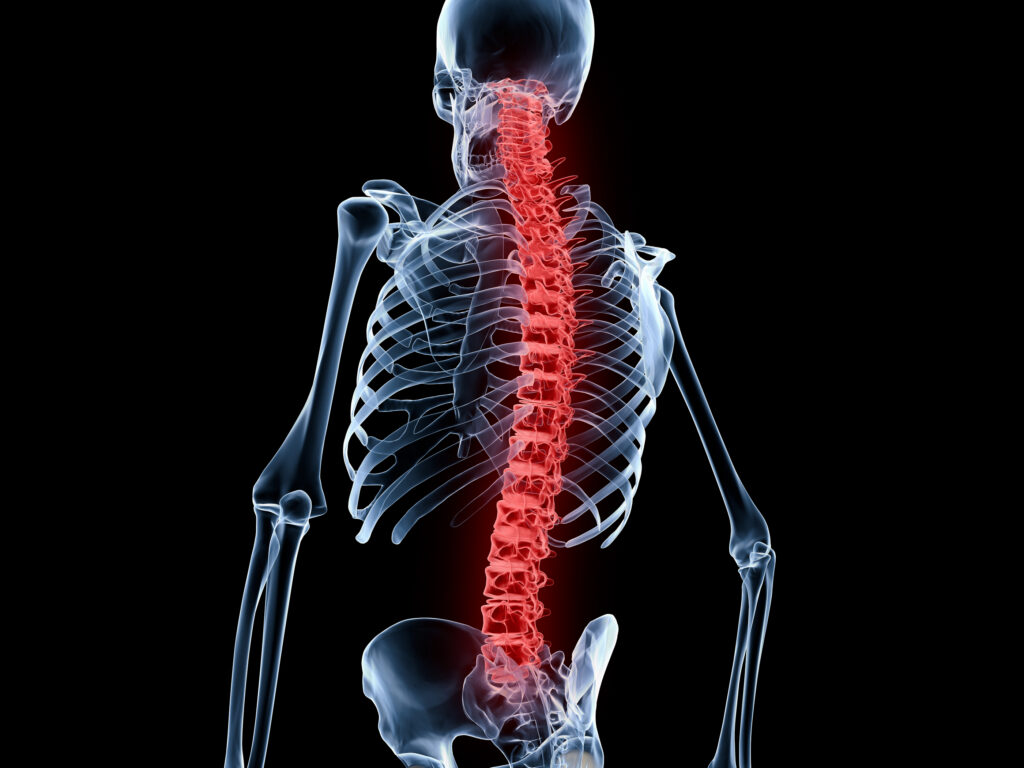
Motor vehicle accidents are the leading cause of spinal cord injuries nationally, accounting for approximately 38% of cases. In South San Francisco, congestion on US-101 near the city’s industrial zones produces frequent rear-end collisions causing disc injuries and whiplash, while the city’s industrial workplaces contribute to falls, strains, and crush injuries. Construction site falls and slip and fall accidents on commercial premises are also significant causes.
The Long-Term Financial Reality of Spinal Cord Injuries
Even moderate spinal injuries often demand lifelong management — persistent pain, reduced mobility, and secondary complications including pressure sores and respiratory problems. Severe spinal cord injuries require ongoing physical and occupational therapy, pain management specialists, wheelchairs, braces, and home modifications including ramps and widened doorways, in-home care or assisted living, and mental health support.
The lifetime costs are substantial. For high tetraplegia in a young adult, first-year expenses can exceed $1 million, with annual ongoing costs of $200,000 or more. Paraplegia or incomplete injuries often total $2 to $4 million over a lifetime. These figures directly define the stakes in a spinal injury legal claim — and why it is critical that the demand and damages evidence reflect the full future care picture, not just the bills incurred to date. I work with qualified life care planners and economic experts on significant spinal injury cases to ensure that future care costs are fully documented and presented.
Local Rehabilitation Resources Near South San Francisco
The Bay Area has world-class spinal injury rehabilitation facilities accessible from South San Francisco, typically within 20 to 60 minutes.
Santa Clara Valley Medical Center Rehabilitation Center (San Jose) is one of the leading SCI programs on the West Coast, with a dedicated 32-bed unit treating approximately 150 patients annually and more SCI board-certified physicians than any other West Coast center. The program has served the community since 1941. Visit scvmc.scvh.org for program details.
UCSF Health St. Mary’s Acute Rehabilitation Center (San Francisco, 450 Stanyan St.) is a 23-bed CARF-accredited inpatient unit specializing in traumatic and non-traumatic spinal cord injuries and other complex conditions. Details at sfcommunityhospitals.ucsfhealth.org.
Sutter Health Spinal Cord Injury Rehabilitation provides inpatient, outpatient, and personalized programs across Northern California, including facilities at California Pacific Medical Center in San Francisco. See sutterhealth.org.
California Rehabilitation Institute offers comprehensive CARF-accredited spinal cord rehabilitation with advanced therapies. Details at californiarehabinstitute.com.
Additional options include Kaiser Permanente Vallejo for specialized SCI recovery and VA Palo Alto for eligible veterans.
Support Groups and Community Networks
Northern California Spinal Cord Network (NorCal SCI) is the primary resource hub for Northern California SCI survivors, offering support groups including virtual “Friday Happy Hour” meetups, information, and community programs. Visit norcalsci.org.
San Francisco Bay Area Spinal Network facilitates peer support through the Independent Living Resource Center San Francisco and Ed Roberts Campus in Berkeley, with monthly in-person and virtual meetings. Bay Area listings at spinalcord.com.
United Spinal Association maintains a national network with local chapter connections and peer resources. Find chapters at unitedspinal.org.
Pursuing a Spine Injury Claim in California
If negligence caused your spinal injury — a distracted driver, an unsafe premises condition, an employer’s safety violation — you have the right to pursue compensation for medical bills, future care costs, lost wages, lost earning capacity, pain and suffering, and home modifications. California’s statute of limitations is two years from the date of the accident under Code of Civil Procedure Section 335.1. If a government entity may share liability, a government tort claim must be filed within six months.
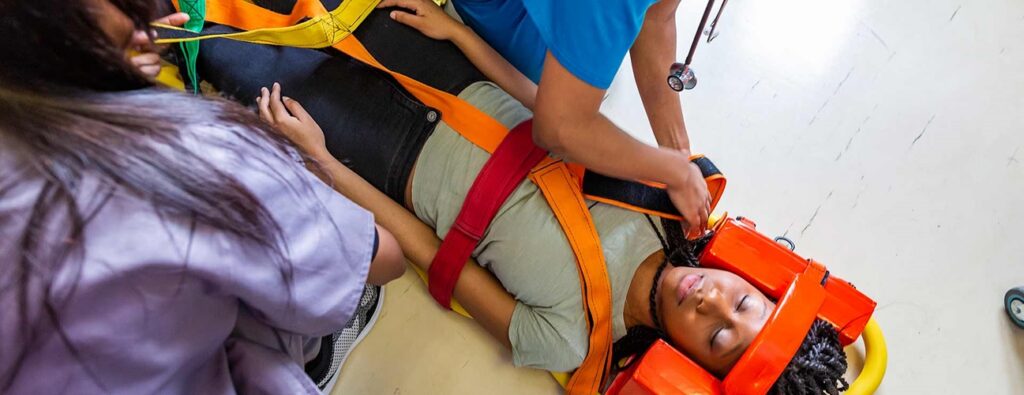
The most important early steps are seeking medical attention immediately and documenting the injury thoroughly from the start. A gap in treatment gives the defense an argument that the injury was not serious. Preserving evidence — photographs, accident reports, witness information — is critical, and surveillance footage must be requested promptly before it is overwritten. Do not give a recorded statement to any insurance company before consulting an attorney.
Spinal injury cases require life care planning experts to project future medical costs, vocational experts to document lost earning capacity, and medical experts to establish the causal relationship between the accident and the injury. I retain those experts and build the case from the ground up — so that the demand reflects what the injury actually costs over a lifetime, not just what has been billed so far.
If you or a family member suffered a serious spinal injury in South San Francisco or anywhere in the Bay Area, call me at (415) 851-4557 for a free consultation. I work on a contingency fee basis — you pay nothing unless I recover money for you. I am bilingual in English and Spanish.
Wondering what your case is worth? With a 9-for-9 trial record and $25 million+ recovered for Bay Area clients since 2009, I can give you a straight answer. Call (415) 851-4557 or schedule a free consultation. ¿Habla español? Soy un abogado de lesiones personales en San Francisco bilingüe — solicite una consulta gratuita aquí.
Frequently Asked Questions: Spine Injuries in South San Francisco
Motor vehicle accidents on US-101 and I-280 are the leading cause, accounting for approximately 38% of spinal cord injuries nationally. In South San Francisco specifically, rear-end collisions in freeway congestion produce a high volume of disc and whiplash injuries. Workplace falls at industrial sites and construction areas, slip and fall accidents on commercial premises, and crush injuries in loading and warehouse environments are also significant causes.
Costs vary significantly by injury severity and age at injury. High tetraplegia in a young adult can exceed $1 million in the first year alone, with annual ongoing costs of $200,000 or more. Paraplegia or incomplete injuries often total $2 to $4 million over a lifetime. These figures define the stakes in a spinal injury legal claim and are why future care costs must be fully documented through a life care plan prepared by a qualified expert.
Two years from the date of the accident under California Code of Civil Procedure Section 335.1 for personal injury claims. If a government entity may share liability — for example, for a road defect, unsafe public premises, or a government vehicle — a government tort claim must be filed within six months of the accident. Missing the six-month deadline typically bars the government claim permanently. Contact an attorney as soon as possible after a serious spinal injury.
A successful spinal injury claim can recover past and future medical expenses including surgery and rehabilitation, lost wages and future lost earning capacity, pain and suffering and loss of enjoyment of life, home modification costs including ramps and widened doorways, in-home care expenses, and adaptive equipment costs. In serious cases involving permanent paralysis or disability, recoveries have reached into the millions of dollars through careful life care planning and expert economic testimony.
Yes. Top facilities accessible from South San Francisco include Santa Clara Valley Medical Center’s SCI Rehabilitation Center in San Jose (the leading West Coast SCI program), UCSF Health St. Mary’s Acute Rehabilitation Center in San Francisco, Sutter Health’s spinal cord injury programs at California Pacific Medical Center, and the California Rehabilitation Institute. Kaiser Permanente Vallejo and VA Palo Alto serve additional populations.
Disclaimer: This blog post is for informational purposes only and does not constitute legal advice. Consult a licensed attorney for advice specific to your situation.




