

FedEx trucks are everywhere in San Francisco — Express vans making morning deliveries downtown, Ground trucks working residential routes, freight units moving between facilities on 101 and 280. When one of them causes a collision, the question that decides your case is one most people have never thought about: which FedEx was it? As a San Francisco trucking accident lawyer practicing since 2009, I can tell you that the answer changes who is liable, whose insurance applies, and how the case gets built.
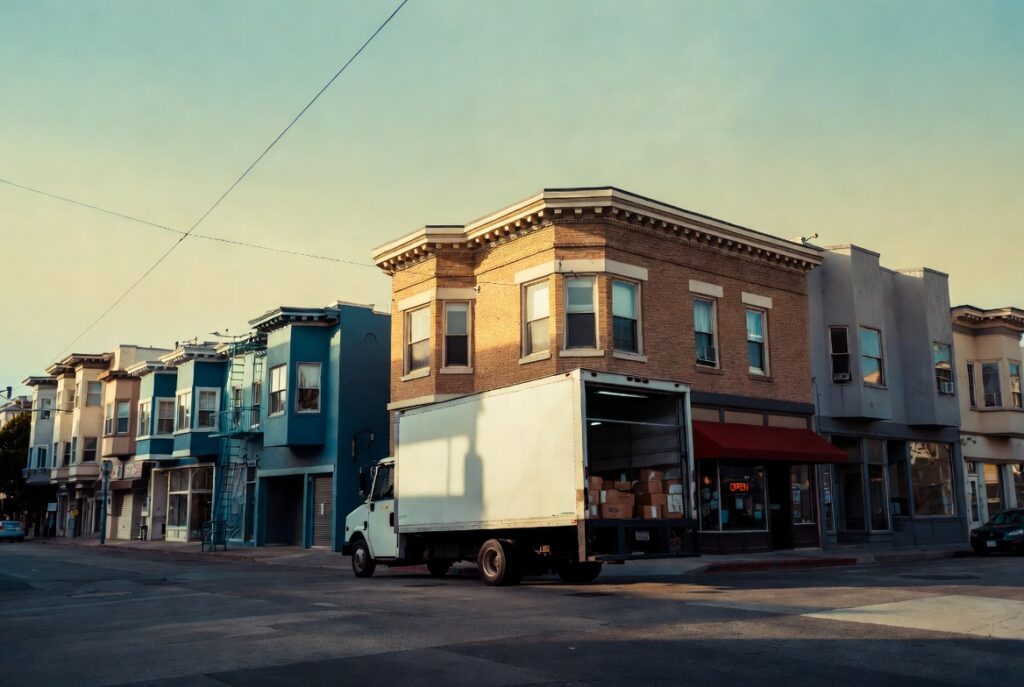
FedEx Ground vs. FedEx Express: Two Different Companies, Two Different Cases
What looks like one company is legally several. The distinction that matters most after a crash:
FedEx Express drivers are generally direct employees of FedEx. When an Express driver causes a collision on the job, FedEx itself is typically responsible for that driver’s negligence under ordinary employer liability — a comparatively straightforward defendant with substantial commercial insurance.
FedEx Ground runs on a contractor model. Routes are operated by independent service provider businesses — separate companies that hire the drivers, own or lease the trucks, and contract with FedEx to deliver in a territory. When a Ground truck hits you, FedEx’s first move is often to point at the contractor: not our driver, not our problem.
That defense has a checkered history in California. In Alexander v. FedEx Ground, the Ninth Circuit held that FedEx Ground’s California drivers were employees, not independent contractors, under California’s control-focused test — because FedEx dictated the details of their work down to their appearance and delivery schedules. FedEx has restructured its contractor model since, but the underlying legal principle survives: California courts look at who actually controls the work, not at what the contract calls the relationship. That is the fight I know how to build.
Why the Distinction Decides Your Recovery
A Ground contractor is a smaller company with its own commercial policy — sometimes ample, sometimes not — while FedEx itself has far deeper coverage. If the contractor’s policy is too small for a serious injury, whether FedEx can also be held responsible may determine whether you are fully compensated or left with a shortfall. That is why the first thing I do in these cases is identify every entity in the chain: the driver, the service provider company, and FedEx — the same layered-defendant approach I use in Amazon delivery van accidents, where a Delivery Service Partner sits between the driver and the brand on the truck.
Common FedEx Truck Accident Scenarios in San Francisco
- A rear-end collision caused by a delivery truck following too closely or braking late for a stop
- A truck pulling away from a curb or double-parked position into cyclists I represent in the bike lane
- A pedestrian struck as a pedestrian by a truck turning across a crosswalk on a delivery route
- Wide turns on narrow streets that clip vehicles in adjacent lanes
- High-speed freeway collisions involving larger FedEx Freight units — crashes that produce traumatic brain injury and other catastrophic harm
Evidence Moves Fast in FedEx Cases
FedEx and its contractors are sophisticated defendants. Delivery trucks carry telematics — GPS, speed, and braking data — and drivers work on scanner-documented schedules that can show whether a route was running behind. That evidence is powerful, and it does not preserve itself. I send preservation demands immediately upon retention, before route data, driver records, and onboard telematics are overwritten.
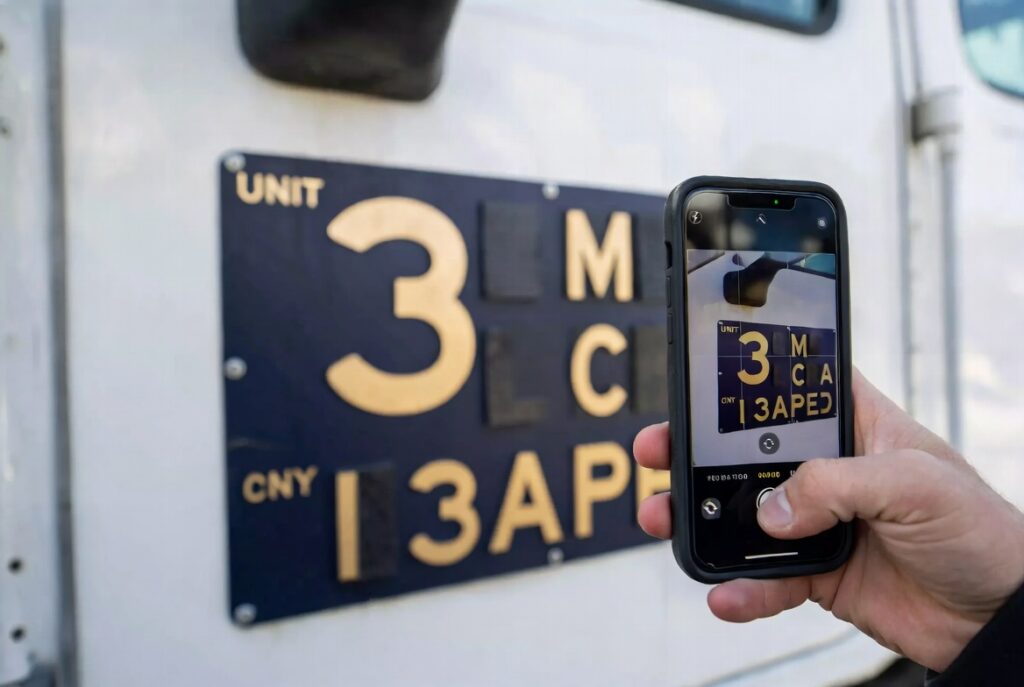
On your end, the most valuable thing you can do at the scene is photograph the truck itself — the unit number, the license plate, and any company name beyond FedEx printed on the door or placard. With Ground trucks, that placard is often the fastest way to identify the actual service provider company operating the route.
What to Do After a FedEx Truck Accident
- Call 911 and get a police report on file
- Photograph the truck, unit number, plate, and any contractor company name on the vehicle
- Get witness names and contact information
- Seek medical care immediately — serious injuries often surface later
- Do not give a recorded statement to FedEx’s insurer or a contractor’s insurer before speaking with an attorney
Why You Need an Attorney Who Knows the FedEx Structure
These cases reward preparation: identifying every liable entity early, preserving the electronic evidence, and building the case as if it will be tried. As a trial-tested attorney with extensive trial experience, I have recovered $25 million+ for Bay Area clients across the commercial truck cases and car accident cases I handle across the city. For Spanish-speaking victims and delivery workers, I provide representation personally as a direct Spanish-speaking attorney — no interpreter, no handoff.
Talk to a FedEx Truck Accident Lawyer in San Francisco for Free
If a FedEx truck hurt you or someone you love, don’t let the Ground-versus-Express shell game decide your recovery. Call (415) 851-4557 or schedule a free case review today. Se habla español.
Frequently Asked Questions
It depends on which part of FedEx was operating the truck. FedEx Express drivers are generally direct FedEx employees, making FedEx responsible for their on-the-job negligence. FedEx Ground routes are operated by independent service provider companies, and the contractor — and in some circumstances FedEx itself — may be liable. Identifying the correct entities early is essential.
Express drivers are typically FedEx employees; Ground drivers typically work for independent contractor businesses that operate routes under contract with FedEx. The distinction determines which company and which insurance policies are responsible for your injuries.
Sometimes. California courts look at how much control a company actually exercises over the work rather than what a contract labels the relationship, and FedEx Ground’s contractor model has been successfully challenged in California in the past. Whether FedEx shares liability depends on the specific facts of how the route was controlled.
The truck’s telematics data (speed, braking, GPS), the driver’s delivery schedule and scanner records, the contractor company’s identity, driver qualification records, and scene evidence like photos and witness statements. Much of this is electronic and can be overwritten quickly, so preservation demands need to go out immediately.
The general personal injury deadline in California is two years from the date of the accident, though certain circumstances can shorten it. The practical deadline is much earlier — electronic evidence in delivery truck cases can disappear within days or weeks.
Nothing upfront. This firm works on a contingency fee basis — no attorney fees unless I recover compensation for you. The initial consultation is free.
No. California civil courts do not decide injury cases based on immigration status, and your discussions with your attorney are confidential. Your right to recover for an injury does not depend on your immigration status.