

john@representmyinjury.com | December 22, 2025 | Car Accidents
Steps to Take Immediately After a Car Accident
Car accidents in San Francisco overwhelm many people. They often cause serious injuries like neck damage or traumatic brain injuries. The city has congested roads, steep hills, and lots of rideshares. The Bay Area faces daily auto collisions.
If a car crash causes severe damage, act fast. Know the right steps. They protect your health, rights, and potential compensation. Rear-end collisions can lead to whiplash. High-speed crashes may result in brain trauma. Quick action builds a strong personal injury case.
I’m John J. Roach, a dedicated San Francisco personal injury attorney. With extensive experience, I represent victims of serious auto injuries at the Law Office of John J. Roach. I focus on high-value cases. These involve catastrophic harm from car crashes. Helping clients with insurance claims and legal proceedings is what I do.
This guide outlines essential steps. Take them right after an auto collision in San Francisco. Prioritize safety. Document evidence. Seek medical care. These actions make a big difference. They aid your physical and financial recovery.
If you face a serious injury from a car accident, read on. This article empowers you. Take control. Avoid common pitfalls. They could undermine your claim.
Remember, serious injuries may not show right away. You might feel okay at first. But conditions like internal bleeding or concussions can worsen. Spinal damage too. As the best personal injury attorney for auto accident victims in SF, I advise: don’t delay. If this fits your situation, reach out. Get a free consultation at https://representmyinjury.com/. Discuss your options.
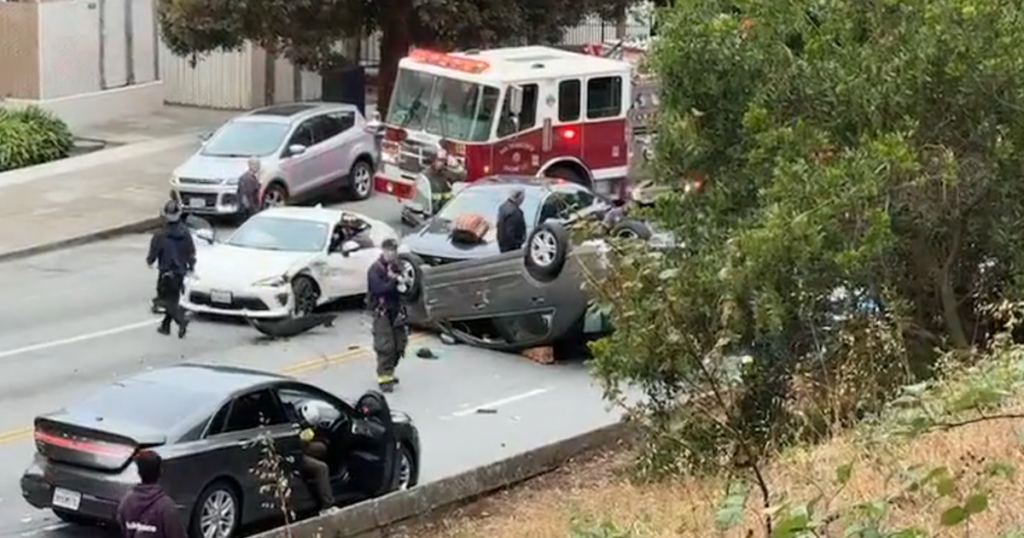
Prioritize Safety and Call for Help: The First Critical Moments After a Car Accident
The moments after a car crash feel chaotic. But prioritize your safety. Protect others too. In San Francisco, roads like the 101 Freeway or Market Street see high-traffic accidents. Stay calm. This prevents further harm.
Assess the Scene Quickly
Assess the scene first. Move your vehicle to a safe spot if possible. Get it out of traffic. Avoid secondary collisions. Turn on hazard lights. Set up flares or warning triangles if available. Check yourself and passengers for injuries.
Serious auto injuries may hide at first. Neck trauma from whiplash stays hidden. Brain injuries from impact do too. Adrenaline masks pain.
Call Emergency Services
Call 911 right away. Report the auto collision. Give details like location and vehicles involved. Mention visible injuries. In San Francisco, responders from the Fire Department and SFPD arrive fast.
Call the police even for minor crashes. You need an official report. Reports document witness statements. They record physical evidence. This helps determine fault.
While Waiting for Help
Avoid moving anyone with suspected serious injuries. Do this unless danger like fire threatens. Victims may show dazed consciousness or mental confusion. Other trauma signs appear too. Stabilize them until paramedics arrive.
These symptoms may signal a traumatic brain injury (TBI). TBI affects thousands of car crash victims in California each year. Note these early signs. Use your phone or memory. They support your personal injury claim later.
As a seasoned auto accident lawyer, I see this often. The initial response sets the case tone. High-value injury victims gain a lot. Those with permanent disabilities or long-term needs benefit from a well-documented scene.
If a car crash injures you seriously, follow these steps. They address your health. They preserve evidence for your attorney.
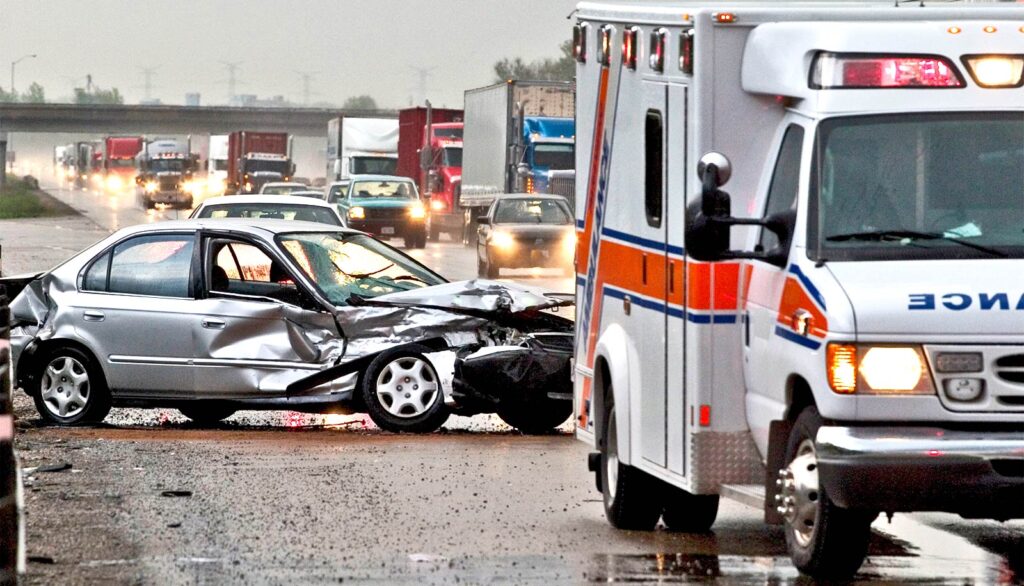
Document Everything: Building a Strong Foundation for Your Claim
Secure safety first. Then gather evidence. Your smartphone helps a lot in the digital age. It documents an auto collision well. Thorough records turn standard claims into high-value ones. This matters for serious injuries like neck fractures or brain damage.
Capture Photos and Videos
Start with photos and videos. Shoot the accident scene from many angles. Include vehicle damage and skid marks. Capture traffic signs and road conditions too.
If safe, record admissions of fault. The other driver might apologize. Or explain what happened. Verbal admissions hold weight in court.
Exchange Information Safely
Photograph the at-fault party’s license, plate, and vehicle. Exchange insurance info cautiously. Let the responding officer handle it if possible. In San Francisco, officers facilitate this. They include details in the police report. It acts as an unbiased record.
Collect Witness Details
Approach bystanders who saw the crash. Ask for names and contact details. Get brief statements. Witnesses corroborate your story. They strengthen liability claims. Distracted driving or speeding often causes SF auto accidents.
Note Environmental Factors
Note weather, time of day, and traffic flow. These influence fault. For serious injury victims, this evidence links the crash to harm. For example, a foggy morning may cause a rear-end collision. That leads to your neck injury.
Pro tip from me, the best personal injury attorney in San Francisco: Use your phone’s voice recorder. Make quick notes on events. Include immediate pain or symptoms. High-value cases depend on early records. They prove the accident caused your injuries.
If dazed or confused after the crash, ask for help. A passenger or witness can assist. This signals possible brain trauma.
Seek Medical Care Immediately: Why Delaying Can Cost You
You may not feel hurt right away. But seek medical attention after a car accident in San Francisco. We highly recommend it. Serious injuries from collisions appear later. Internal organ damage or traumatic brain injuries manifest hours or days after. Adrenaline masks symptoms. Victims underestimate their condition. Doctors ask the right questions. They rule out or diagnose serious injuries.
Get to a Medical Facility
Go to a doctor or ER soon. Use an ambulance if paramedics suggest it. In the Bay Area, hospitals handle severe trauma well. Try Zuckerberg San Francisco General Hospital. Or UCSF Medical Center.
Document pain during your visit. Note mental confusion or dazed consciousness. Record other trauma signs. Describe symptoms in detail to your provider. Medical records serve as key evidence in claims.
Specific Injury Checks
Neck injuries occur in whiplash cases. Early MRIs reveal herniated discs or soft tissue damage. Brain injuries show on CT scans. They highlight concussions or hemorrhages.
Monitor ongoing symptoms. Record headaches, dizziness, or emotional changes. This builds a harm timeline.
Importance for Your Claim
Why does this matter for high-value victims? Insurance companies argue against delayed treatment. They say injuries weren’t serious. Or the accident didn’t cause them. Seek care right away. You counter their claims. Maximize your value.
In my practice, clients with quick medical records win more. They get higher settlements. These cover lost wages, bills, and suffering.
If costs worry you, remember this. As a serious auto injury victim, you may get coverage. Use the at-fault party’s insurance. Or your own policy. Don’t let money stop you. Your health and compensation rely on it.

Avoid Common Mistakes: Don’t Talk to Insurers
Emotions run high after a car crash. Resist talking to the at-fault party’s insurer. They train to minimize payouts. They offer quick lowballs. For example, $1,000 plus medical coverage promises. These mislead you. They undervalue your claim. Tactics close cases early. You get a fraction of worth. This hurts high-value serious injury cases.
Politely decline talks. Refer them to your attorney. Adjusters seem helpful. But they protect their company. Not you. I have seen clients fall for tricks. They regret it later. True damages emerge, like brain injury therapy.
Contact a seasoned auto accident lawyer now. As John J. Roach, I know insurer tricks. They minimize fair payments, downplay neck injuries, and dispute brain trauma causes. Hire the best attorney early. Shield yourself from pitfalls. Position for max recovery.
Be Cautious with Social Media: Protect Your Claim from Online Pitfalls
Today’s world connects us. Sharing tempts you. But avoid posts about your injury or crash. Do this after a San Francisco car accident with serious injuries. Platforms like Facebook or Instagram turn into minefields. So do X (Twitter) and LinkedIn. Insurers and attorneys scour profiles. They seek ammo against you. Innocent posts harm claim value.
For example, post “Feeling sore after fender-bender, but okay!” They twist it. It suggests mild injuries. Photos with friends show activity. They misinterpret. You don’t suffer from neck pain or brain trauma. High-value cases are vulnerable. Compensation covers long-term needs and lost earnings. Opponents hunt inconsistencies. They reduce or deny payouts.
Safeguard your case. Set profiles private. Don’t discuss the accident or recovery online. Avoid new friend requests from strangers. Delete or archive old posts. As the best SF personal injury attorney for serious victims, I advise silence. It protects you. Document privately. Use a journal for your lawyer. Keep public posts neutral. Avoid incident links. This preserves your high-value claim. It prevents setbacks.
The Role of Police Reports and Official Documentation in Your Case
Calling police aids safety. It also strategizes your personal injury case. SFPD reports investigate deeply. They include accident diagrams and officer notes. They list citations. These tools document witnesses and evidence. They sway negotiations or trials.
Crashes with serious injuries need reports. So do those over $1,000 damage or hit-and-runs. Insist on one for minor incidents too. It sets a timeline. It reveals details like driver intoxication or violations.
High-value victims gain most. Reports link collisions to severe harm. For example, high-speed notes support punitive damages. This applies in reckless driving causing brain injuries.
If police skip response, file online. Use the SFPD site within 10 days. Your attorney obtains and analyzes it later.
Additional Steps for High-Value Cases: Protecting Your Future
Serious auto injuries demand more. Go beyond basics. Preserve your vehicle if possible. Don’t repair until inspected. It serves as evidence. Gather medical records and bills. Collect work absence notes. Quantify damages.
Consider long-term effects. Neck injuries may need lifelong care. Brain injuries require cognitive therapy. They cut earning potential. Document early. Strengthen non-economic damages like pain and suffering.
San Francisco laws like Vision Zero focus on safety. But auto collisions persist. Commercial or rideshare crashes add liability. This boosts claim value.
Why Partner with a Top San Francisco Personal Injury Attorney
Navigating claims alone daunts you. Serious injuries make it worse. Insurers have lawyer teams. You deserve the best on your side. At Represent My Injury, I secure big settlements. I focus on high-value auto collision victims. Cases include neck and brain injuries.
We handle all. From evidence to negotiations. You focus on healing. Our approach centers on clients. We hear your story. We maximize compensation. This covers medical costs and lost wages. It includes emotional trauma too.
Conclusion: Act Now to Secure Your Recovery
After a car accident in San Francisco, prioritize safety. Call 911. Document the scene well. Include photos, videos, and witness info. Seek medical care right away. Address and record pain or trauma. Avoid admitting fault. Don’t speak to insurers. Be cautious on social media. Contact an experienced attorney fast.
These steps protect your health. They build a robust case. This holds for high-value serious auto injury claims.
Avoid insurance tricks. They offer quick low settlements. If you suffered neck or brain injury, act now. Contact me for guidance. Learn more. Schedule a free consultation at https://representmyinjury.com/.
As your trusted San Francisco auto accident lawyer, I fight for you. I seek fair compensation. Turn trauma into justice and recovery.Complete our intake form: https://lawofficeofjohnjroach.cliogrow.com/intake/5d22773fd05d3aa4c6bc3d4ff3c7de0a
Disclaimer: This blog post provides information only. It does not give legal advice. Consult a licensed attorney for your specific situation.