

John Roach, Esq. | March 10, 2026 | Premises Liability
Personal Injury Risks In Tiny Homes

Full-size houses are extremely expensive, and many find they cannot afford traditional homes. This has caused a rise in tiny homes and micro apartments. The smaller space often allows people to purchase their first homes, albeit smaller than the norm, or even rent places in locations they would otherwise be unable to afford. This is also contributing to a rise in the minimalist lifestyle as people work to declutter their living spaces, not to mention that tiny homes are often easier to place farther from the city’s crowded streets. While these spaces offer affordability and efficiency, they introduce unique housing issues that typical-sized living quarters do not experience, as a personal injury lawyer can explain further.
Tiny Homes And Micro Apartments
A tiny home or micro apartment is often around 100-400 square feet.
For those seeking a more permanent home, they can build their tiny home on an equally tiny foundation. Another popular option is to build the home on a trailer so it is portable, allowing people to take their homes with them wherever they go.
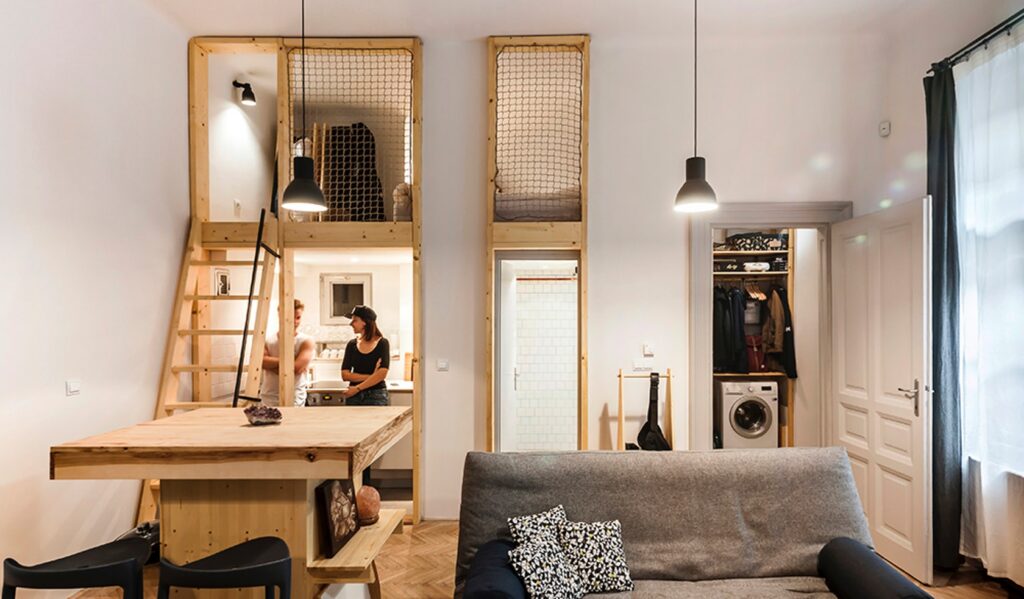
On the other hand, micro apartments are located in dense urban areas and are designed as multifunctional spaces. Essentially, these apartments have one room that serves as a kitchen, living room, and more.
Just like regular housing, these types of living arrangements must be kept safe by the property owner and/or landlord.
Tiny Space Living Risks
Many of these spaces feature ladders to lofts to maximize space. These are steep and typically lack guardrails. This can lead to nighttime issues when descending the ladder. In portable tiny homes, ladders may shift during transport, causing a fall when someone finally attempts to climb them.
Another hazard is the multi-purpose furniture in the unit. Murphy-style beds may be used that fold down or up into a wall. Kitchen cabinets can be flipped around to become tables. The possibilities are endless, but so are the injuries, as my colleagues at Cohen & Cohen can share. Improper installation may cause malfunctions upon first use. All of the folding pieces could lead to pinch injuries.
Finally, another noticeable problem is the lack of exits and overstuffed storage areas. In case of an emergency, this can block the exits that do exist. In general, the living spaces may be constructed so that the front door is the only exit.
Injury Liability
Since tiny living spaces are not the norm but are very trendy, you might be wondering who is liable if injuries do occur. First, property owners or landlords may be held liable for unsafe layouts, inadequate safety features, and failure to maintain fixtures within the space, such as lighting. Next down the line, builders and manufacturers may be found liable if structural defects exist or if the space is improperly designed, causing someone to come to harm. Additionally, product manufacturers may be at fault if fixtures are faulty or parts are improperly attached.
It is important to note that, because these spaces are so small and some are easily portable, they are often rented for short-term stays. Whoever is considered the host of the stay is responsible for the guests’ safety. If something is not addressed, such as a plumbing issue that could lead to an electrical short and cause shocks, the host is at fault.
If you have been injured in a tiny home or micro apartment, contact an attorney near you to learn which parties can be held responsible for your injuries.
Have questions about your own case? As a trial-tested attorney practicing since 2009, I have recovered $25 million+ in verdicts and settlements for Bay Area clients. Call (415) 851-4557 or schedule a free consultation. ¿Habla español? Lo atiendo directamente en español como abogado de lesiones personales en San Francisco — solicite su consulta gratuita aquí.