

john@representmyinjury.com | February 23, 2026 | All Things Trial
The Meta Addiction Lawsuit Trial: A Landmark Battle Over Social Media’s Impact on Young Minds
In what many legal experts are calling one of the most significant product liability trials of the decade, a Los Angeles Superior Court jury is currently hearing evidence in a groundbreaking bellwether case against Meta Platforms (owner of Instagram and Facebook) and Google (owner of YouTube). The Meta social media addiction trial 2026 began in early February under Judge Carolyn B. Kuhl. It tests whether social media platforms can be held legally accountable as “defective products.” The case is about allegedly engineering addictive features that harm children’s and teens’ mental health.
This isn’t just another tech lawsuit—it’s the first major jury trial in a wave of thousands of coordinated cases (including over 2,000 in federal multidistrict litigation and additional claims in California’s JCCP 5255 proceedings). TikTok and Snap have already settled related individual claims for undisclosed sums. As a result, Meta and Google face the courtroom spotlight. Notably, the Meta social media addiction trial 2026 could reshape how Big Tech designs platforms, prioritizes user engagement, and handles youth safety.
The Core Claims: “Digital Casinos” Designed to Hook Kids
Plaintiffs argue that features like infinite scroll, autoplay videos, push notifications, personalized recommendation algorithms, likes, streaks, and beauty filters function like slot machines—delivering unpredictable rewards that trigger dopamine responses and foster compulsive use. These designs, they claim, exploit the developing brains of children and teens. Young people lack fully formed impulse control and are especially vulnerable to behavioral addiction.
The suits allege that Meta and others knew about these risks through internal research but prioritized “time spent” metrics and profits over safety. Companies allegedly failed to adequately enforce age restrictions (under-13 bans) or warn parents/users. Furthermore, they did not curb amplification of harmful content such as self-harm promotion, cyberbullying, unrealistic body images, or sextortion material.
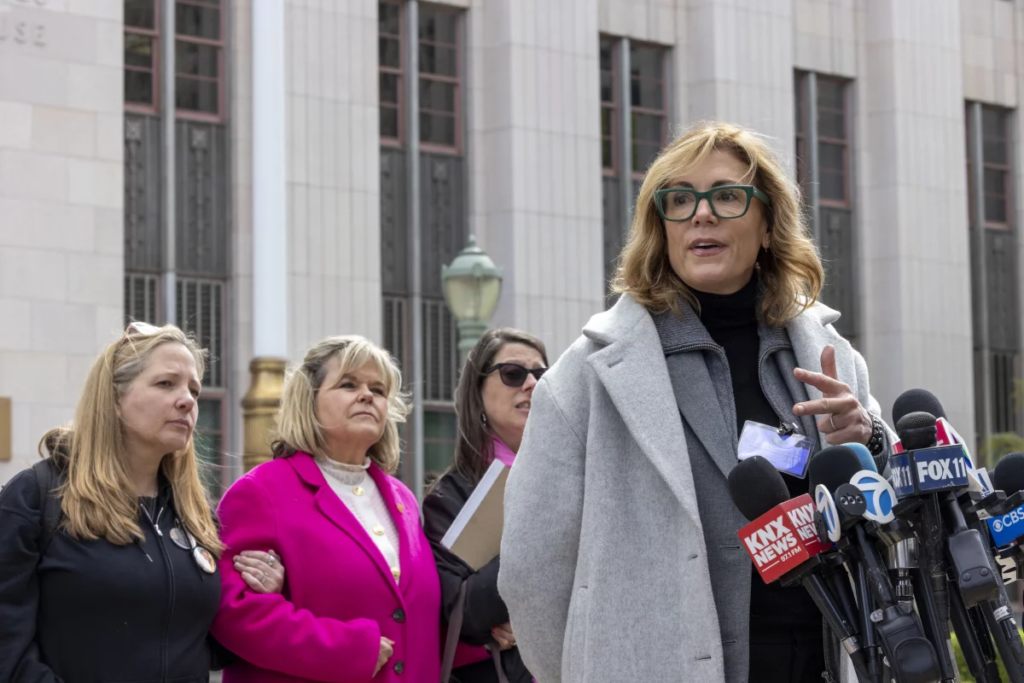
Meta defends by asserting no formal scientific consensus labels “social media addiction” a diagnosable condition comparable to gambling or substances. They argue harms stem from user-generated content (potentially shielded by Section 230 immunity) rather than platform design. Also, they’ve implemented tools like time limits, parental controls, and underage detection improvements—though plaintiffs call these inadequate or ineffective.
The Plaintiff: A Young Woman’s Personal Story
At the heart of this bellwether trial is a now-20-year-old California woman identified in court documents as K.G.M. (or “Kaley G.M.” / “Kaley”). She began using YouTube around age 6. Later, she began using Instagram around age 9 or 10. Her lawsuit claims excessive, compulsive use led to severe outcomes. These include addiction-like behavior, worsened depression, anxiety, body dysmorphia, self-harm, suicidal thoughts, experiences of bullying, and sextortion on the platforms, and are central to the Meta social media addiction trial 2026.
Her mother has also been involved in supporting the case. K.G.M.’s story serves as a representative example for thousands of similar personal injury claims from families, individuals, school districts, and even multiple state attorneys general. These other plaintiffs allege broader public health harms.
Key Revelations from the Trial So Far (as of February 20, 2026)
The trial’s second week delivered blockbuster moments, especially with Meta CEO Mark Zuckerberg’s testimony on February 18 (continuing into the 19th)—his first-ever jury appearance on child safety issues.
Plaintiffs’ lawyer Mark Lanier confronted Zuckerberg with a 2020 internal Meta document revealing that 11-year-olds were four times more likely to continue using the platforms than older users, suggesting deliberate efforts to hook “teens” and “tweens.” Zuckerberg repeatedly denied that Meta allows or targets kids under 13. Instead, he insisted the company has strict policies and has improved detection. However, he was pressed on internal complaints about insufficient age verification and evidence that underage users were a “key demographic.”
Zuckerberg pushed back against accusations that he misled lawmakers about platform designs, claiming lawyers were “mischaracterizing” internal communications. He defended shifts away from maximizing screen time toward “meaningful social interactions.” Still, plaintiffs highlighted how algorithms still prioritize engagement that can harm youth mental health. For Meta, the social media addiction trial 2026 has become a defining moment for its leadership and industry standards.
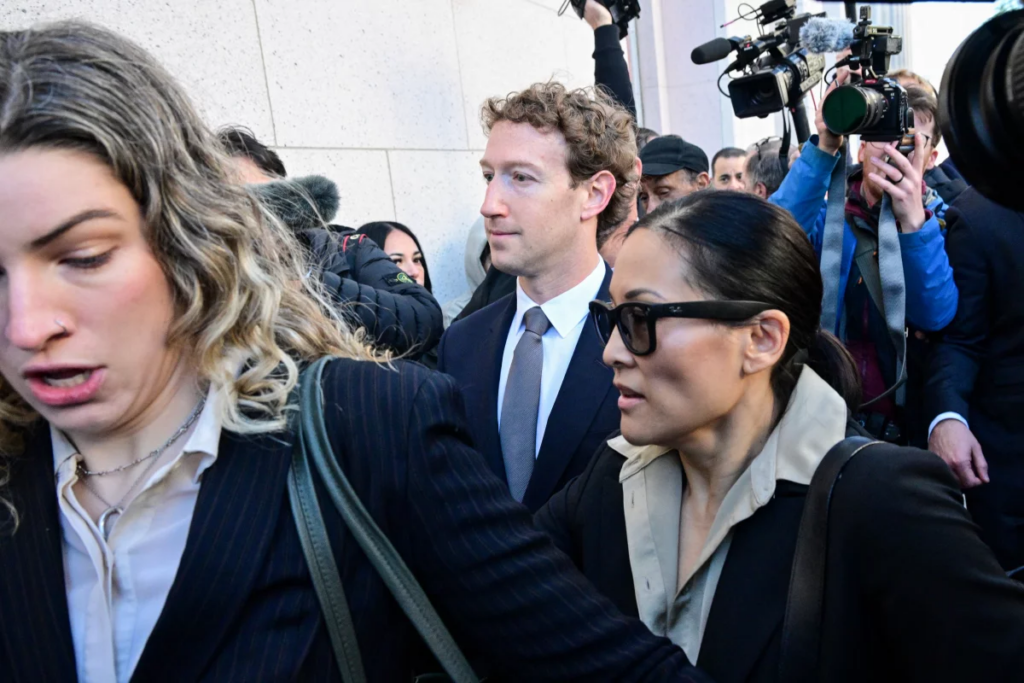
When asked if he was nervous, Zuckerberg quipped, “I have a gold chain on,” lightening the tense atmosphere. The testimony also delved into his past congressional appearances and advice to be more “authentic” rather than “robotic.”
Unsealed documents and expert testimony compared platform features to gambling mechanics, showing how they rewire young brains. Internal Meta research indicated parental controls have little impact on compulsive teen use. In addition, vulnerable kids with trauma are hit hardest. Moreover, the Meta social media addiction trial 2026 is expected to set new legal precedent regarding tech product liability.
What This Means for Personal Injury Claims
At the Law Office of John J. Roach, we closely follow trials like this because they highlight emerging liabilities in product design that cause real harm—much like defective vehicles or pharmaceuticals. If the jury sides with K.G.M., it could open the floodgates for compensation in mental health-related claims against tech giants. This would emphasize that “addiction by design” is a viable theory for injury lawsuits. Families dealing with similar issues should document usage patterns, mental health impacts, and seek legal advice promptly.
The trial is expected to continue for several more weeks, with potential for massive damages or settlements. To conclude, the Meta social media addiction trial 2026 remains crucial for everyone concerned about youth safety and corporate accountability. Stay tuned to our “All Things Trial” category for updates on this pivotal case and its implications for holding corporations accountable.