

john@representmyinjury.com | February 26, 2026 | California Law
Castle Peak Avalanche: Criminal Negligence Probe Signals Massive Wrongful Death Potential—Lessons for Tahoe Skiers
On February 17, 2026, a slab avalanche near Castle Peak north of Donner Pass killed nine people and left six others fighting for their lives. It is the deadliest avalanche in modern California history—and it never should have happened.
The group was led by Blackbird Mountain Guides, a Truckee-based outfit. Three of the guides died alongside six of their clients. The victims came largely from the Bay Area—Marin, San Francisco, and surrounding communities. Investigators are now asking a hard question: does the conduct of the guides and their company constitute criminal negligence?
What Happened at Castle Peak
Blackbird Mountain Guides, founded by Zeb Blais, operates with certifications from the American Mountain Guides Association. Its guides train under the American Institute for Avalanche Research and Education (AIARE)—one of the most respected avalanche education programs in the country.
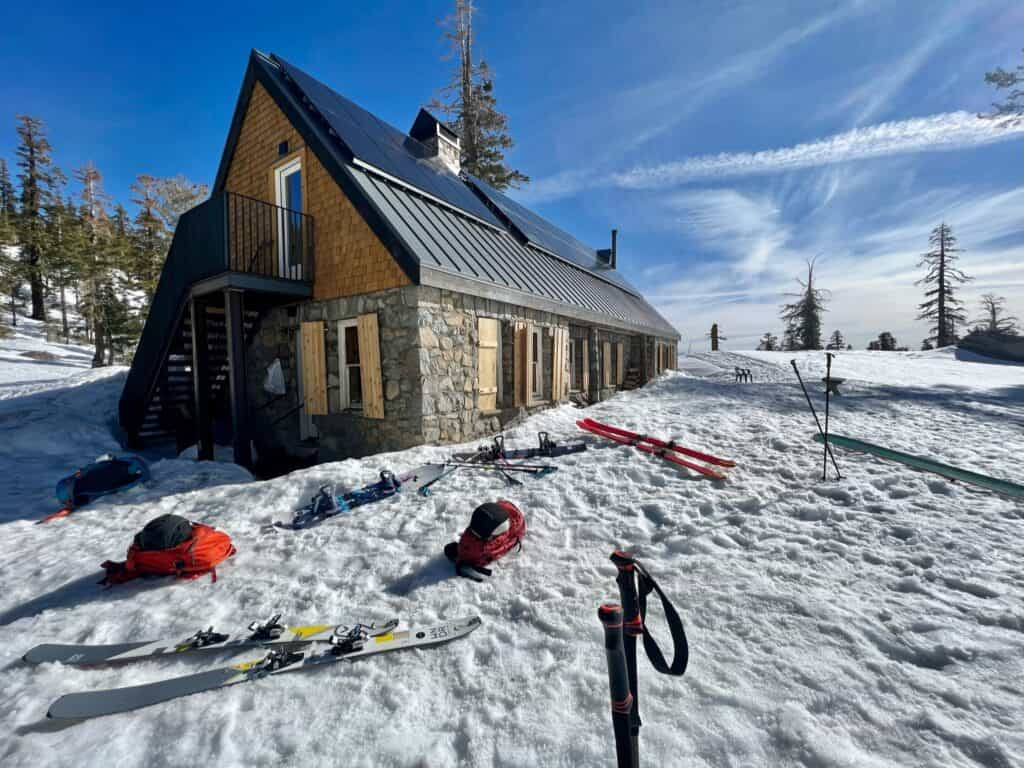
The group had just completed a three-day backcountry ski trip to the Frog Lake huts. On the final day, fifteen experienced skiers set out to return to the Castle Peak trailhead. What happened next is now the subject of active criminal investigation.
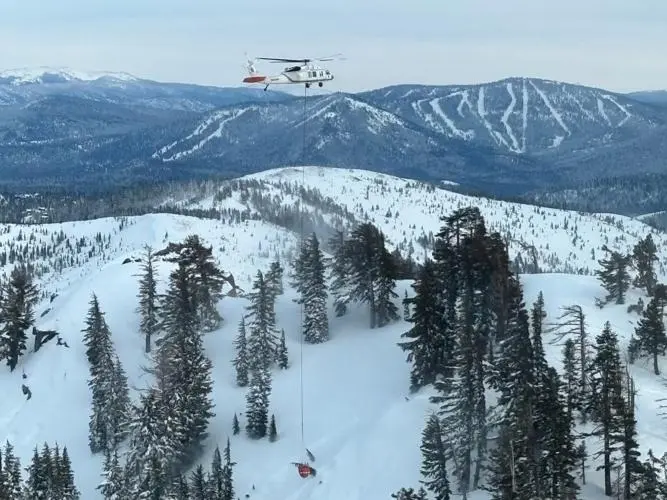
At 5:00 a.m. that morning—hours before the group set out—the Sierra Avalanche Center issued a High danger warning, predicting large avalanches throughout the day. The storm system had brought up to eight feet of snow and winds gusting to 90 mph. A watch had been in effect since Sunday, when the group first entered the backcountry.
Rather than take a longer, safer east-facing Class 1 route back to the trailhead, the guides chose a shorter northwest path—terrain with known avalanche exposure. Around 11:30 a.m., a massive slab released. The group was buried. Survivors deployed beacons and probes and rescued who they could. Nine people did not make it out.
The victims include clients Carrie Atkin, Lizabeth Clabaugh, Danielle Keatley, Kate Morse, Caroline Sekar, and Katherine Vitt, along with guides Andrew Alissandratos, Nicole Choo, and Michael Henry. Storms delayed recovery of the bodies for days.
Criminal Negligence Investigation
Both the Nevada County Sheriff’s Office and Cal-OSHA have opened investigations. The central question: did the guides make a decision that no reasonable, trained professional would have made?
Protocol in the guiding industry is clear—when conditions are extreme, you stay put. The Frog Lake huts were available. A High avalanche danger rating, an active blizzard, and 90 mph winds are not conditions in which you choose to ski an avalanche-prone route. Yet that is what happened.
Under California law, criminal negligence involves conduct so reckless that it creates a high risk of death or great bodily injury—a gross disregard for human life that goes well beyond ordinary carelessness. That standard is what a reasonable, prudent person would have known better than to do. It is the basis for charges like involuntary manslaughter under Penal Code 192(b).
No criminal findings have been made yet. Investigators will weigh the guides’ training and experience, what information they had, and whether human factors or misjudged snow stability played a role. But the facts—High warning, a blizzard, a known-risk route, and a safer option available—raise serious questions that won’t go away easily.
Why Waivers Won’t Necessarily Stop a Lawsuit
Adventure sports participants typically sign liability waivers. Those waivers are not ironclad. Under California law, waivers cannot shield a company from gross negligence or reckless conduct. They protect against the ordinary risks that come with skiing in the backcountry—not against a guide service that knowingly leads clients into avalanche terrain during a High warning in a blizzard.

California courts have consistently held that reckless acts fall outside the scope of what participants can reasonably be said to have accepted when they sign on for a guided trip. If the evidence shows that the guides chose a dangerous route when a safe one was available and conditions were extreme, families of victims may have strong grounds to pursue a Castle Peak avalanche wrongful death claim regardless of any waiver.
What Damages Are at Stake
Cases involving guide service negligence can result in substantial verdicts. Each fatality is potentially worth over $50 million per victim, though insurance coverage for guide companies typically ranges from $1 million to $5 million per occurrence—a real-world ceiling that matters in settlement negotiations.
California has seen some of the largest wrongful death verdicts in the country. A Sacramento trucking case resulted in a $150 million award. A police shooting case yielded $30.5 million. A pool drowning settled for $31 million. Average wrongful death awards across California top $970,000, with medians near $300,000—but cases involving clear negligence by a professional service provider, especially where criminal findings emerge, can reach far higher.
In a case like this, damages would include economic losses (lost future earnings, typically $1–5 million per working adult), non-economic damages for grief and loss of companionship, and potentially punitive damages because the conduct appears to be especially egregious. Criminal findings, if any emerge, would significantly strengthen civil claims.
What Families Can Do Now
If you lost a loved one in the Castle Peak avalanche wrongful death tragedy—or if you survived and suffered serious injuries—there are steps to take immediately.
- Document everything. Preserve all communications, trip itineraries, waivers, weather reports, and any information related to the guides’ decision-making that day. The Sierra Avalanche Center’s 5 a.m. warning is already a matter of public record.
- Understand the statute of limitations. In California, wrongful death claims generally must be filed within two years of the date of death. That clock is already running.
- Get legal representation before talking to insurers. Guide companies and their insurers will begin building their defense quickly. You should have someone in your corner just as fast.
Contact a San Francisco Wrongful Death Attorney
John J. Roach has spent 17 years fighting for Bay Area families in wrongful death, catastrophic injury, and serious accident cases. He understands how insurance companies work, how guide services try to hide behind waivers, and what it takes to hold negligent parties accountable.
If you lost someone in the Castle Peak avalanche, or if you have questions about a Castle Peak avalanche wrongful death claim, call (415) 851-4557 or email john@representmyinjury.com for a free, no-obligation consultation.
You shouldn’t have to fight this alone. Let’s talk.