

Among the delivery trucks working San Francisco’s streets every day, UPS cases stand apart for one reason: when a UPS driver causes a collision on the job, there is usually no question about who answers for it. UPS drivers are company employees, which means UPS itself is responsible for their negligence behind the wheel. That sounds simple — and compared to the contractor mazes of other carriers, it is. But simple liability does not mean an easy case. As a San Francisco trucking accident lawyer practicing since 2009, I can tell you the fight in a UPS case is rarely about who is responsible — it is about what your injuries are actually worth, against a corporate defendant that defends every dollar.
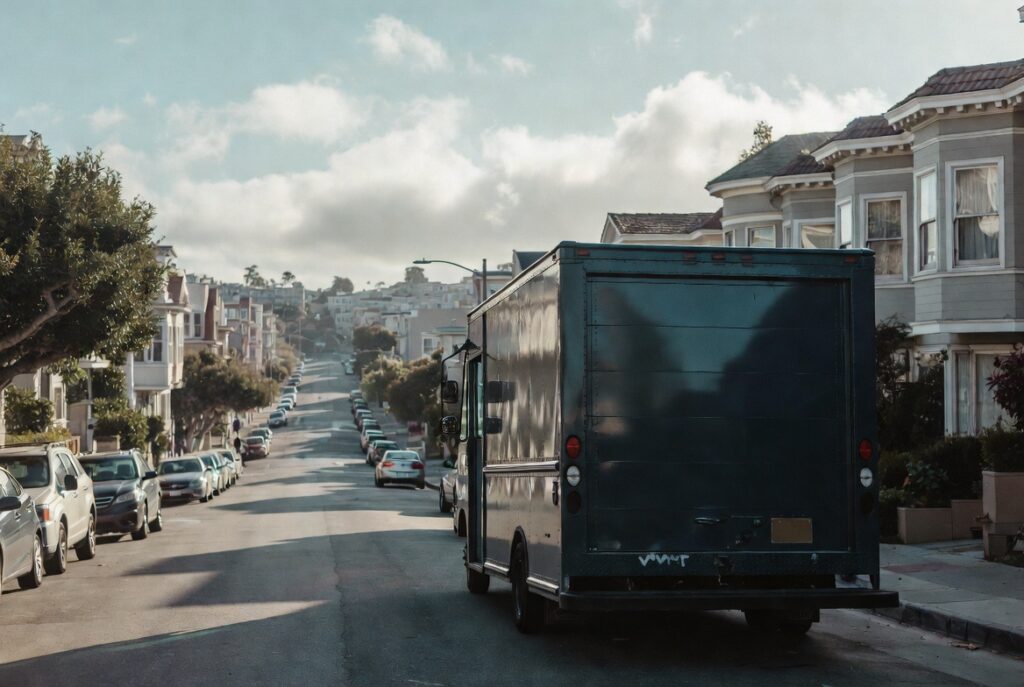
Why UPS Cases Are Different From Other Delivery Truck Cases
UPS runs on a direct-employment model. Its drivers are professional, trained, unionized employees driving company-owned vehicles — which means the doctrine of respondeat superior applies cleanly: an employer is liable for an employee’s negligence committed in the scope of their work. There is no contractor between you and the company, unlike an Amazon delivery van accident, where a Delivery Service Partner sits between the driver and the brand, or FedEx Ground contractor cases, where an independent service provider operates the route.
The flip side: you are facing UPS directly — a large, experienced corporate defendant with substantial commercial coverage and a professional claims operation that handles collisions every single day. They know the value of claims, they know which attorneys will try a case, and they defend accordingly.
UPS’s Own Standards Can Become Your Evidence
UPS is known for training its drivers to detailed, documented safety methods — and that documentation cuts both ways. When a UPS driver causes a crash, the company’s own training materials, safety rules, and telematics data become a measuring stick: did the driver do what UPS itself says a safe driver must do? A driver who rolled through a stop, backed without clearance, or worked a route too fast to be safe can be measured against his own employer’s standards. UPS package cars also carry telematics — speed, braking, and location data — and drivers work on scanner-documented delivery schedules that show exactly how the route was running. I send preservation demands immediately upon retention so that data is locked down before it disappears.
Common UPS Truck Accident Scenarios in San Francisco
- Backing accidents — package cars reversing into pedestrians, cyclists, or vehicles on delivery stops, one of the most recurrent delivery-truck collision patterns
- A truck pulling out from a double-parked position into traffic or a bike lane — a frequent source of the cyclist injury cases I handle
- A pedestrian hit as a pedestrian by a truck turning across a crosswalk mid-route
- Sudden stops on busy corridors causing rear-end collisions
- Freeway collisions with larger UPS tractor-trailers on 101, 280, and 80 — the crashes most likely to cause traumatic brain injury and other catastrophic harm
What to Do After a UPS Truck Accident
- Call 911 and get a police report on file
- Photograph the truck, its number, the license plate, and the scene before anything moves
- Get the driver’s name and witness contact information
- Seek medical care immediately, even if you feel only shaken — serious injuries often surface later
- Do not give a recorded statement to UPS’s claims representatives before speaking with an attorney — they handle these calls every day, and you have handled none
Why You Need an Attorney Who Tries Cases
Because liability is usually clear, UPS cases turn almost entirely on damages — and a corporate claims operation pays full value only to plaintiffs who are prepared to prove it. As a trial-tested attorney with extensive trial experience, I build every case as if it will be tried, which is what produces full settlements. I have recovered $25 million+ for Bay Area clients across the commercial truck accident cases and car accident cases I handle across the city. For Spanish-speaking victims, I provide representation personally as a direct Spanish-speaking attorney — no interpreter, no handoff.
Talk to a UPS Truck Accident Lawyer in San Francisco for Free
If a UPS truck hurt you or someone you love, clear liability is only the starting point — full compensation is the fight. Call (415) 851-4557 or schedule a free case review today. Se habla español.
Frequently Asked Questions
In most cases, UPS itself. UPS drivers are company employees, and under California law an employer is responsible for an employee’s negligence committed within the scope of their work. That makes UPS directly answerable for its drivers’ on-the-job collisions.
Amazon and FedEx Ground deliveries are often made by independent contractor companies, which creates disputes over which entity is responsible. UPS uses direct employees, so the liable company is usually clear. The harder fight in a UPS case is proving the full value of your injuries against an experienced corporate defendant.
UPS is a major corporation with substantial commercial coverage — the resources to pay a serious claim are there. The question is never whether UPS can pay full value, but whether your case is built well enough to make them.
The truck’s telematics data (speed, braking, location), the driver’s delivery schedule and scanner records, UPS’s own driver training and safety standards, the police report, and scene photographs and witnesses. Electronic records need to be preserved quickly through formal demand.
Not before you have spoken with an attorney. UPS’s claims operation handles collisions every day and is skilled at obtaining statements that limit what the company pays. You are not required to give a recorded statement, and declining until you have counsel protects your case.
Generally two years from the date of the accident under California’s statute of limitations, though certain circumstances can shorten it. The practical deadline is earlier — telematics and route records can be overwritten within weeks.
No. California civil courts do not decide injury cases based on immigration status, and your discussions with your attorney are confidential. Your right to recover for an injury does not depend on your immigration status.