

John Roach, Esq. | January 26, 2026 | Attorney Tips
How to Be a Proactive Attorney: Strategies for Success

The attorneys who consistently produce the best results in personal injury litigation are not necessarily the ones with the most experience — they are the ones who take control of their cases from day one. Proactive litigation is an offensive strategy. It is built on the premise that every day you wait, evidence deteriorates, memories fade, the defense consolidates its position, and your settlement leverage erodes. The attorneys who act first, prepare thoroughly, and move at a pace the defense did not anticipate are the ones who produce better outcomes for their clients — and better reputations in the market.
I’m John J. Roach, a San Francisco personal injury trial attorney. I have been litigating catastrophic car accident cases, traumatic brain injury cases, and complex UIM arbitrations in the Bay Area for over 17 years. Below are the core proactive strategies I use in every significant case — and that I look for in attorneys who send me referrals. If you have a case that might be a fit, visit my attorney referrals page for details on how I work with referring counsel.

1. File Early — Don’t Wait for the Pre-Litigation Window to Close
The most common mistake I see in plaintiff personal injury practices is treating the statute of limitations as a target rather than a ceiling. Filing in the final weeks before the deadline, after months of fruitless pre-litigation negotiation, signals hesitation. It tells the insurer you were hoping to avoid litigation — and it gives them the entire pre-litigation period to build their defenses while your evidence ages.
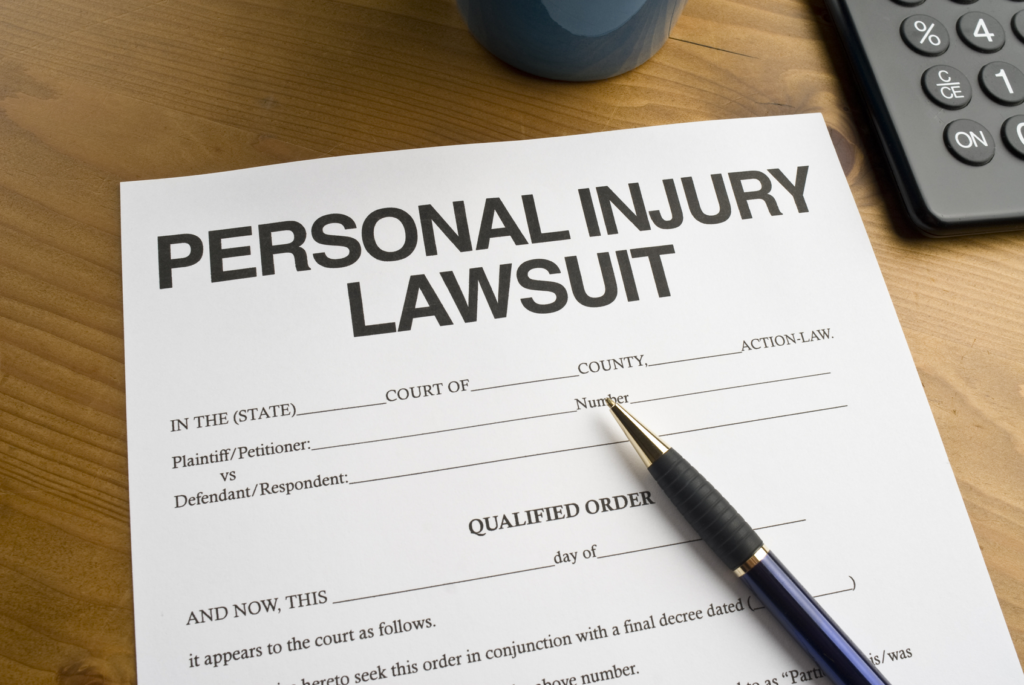
In serious injury cases, I file within the first few months after gathering preliminary evidence — police reports, medical records, and a clear liability picture. The rationale is straightforward: early filing accelerates the entire timeline, initiates discovery sooner, and sends an immediate signal to the insurer that this case is going to be litigated regardless of what they offer. Insurers track which plaintiff firms file promptly and which ones send demand letters for two years. That reputation affects how quickly adjusters authorize reserves and how seriously they take your settlement demands.
Early filing also protects you against unexpected complications — jurisdictional challenges, amendment issues, service problems — that become much more serious when you are already close to the limitations deadline. The practical implementation is simple: build a quarterly case review into your practice management system, flag every case for filing readiness at the six-month mark from intake, and make thorough early investigation a non-negotiable part of your intake process.
2. Respond to Discovery Overnight — Not in 30 Days
Defense discovery in personal injury cases is entirely predictable. Form Interrogatories, Requests for Production, and Special Interrogatories in a car accident or premises liability case will ask for the same categories of documents in virtually every case: medical records and bills, lien information, photos of the vehicle, photos of the scene, photos of the injuries, witness contact information, and prior injury history. There is no reason to wait 30 days to respond to requests you could have anticipated from the day of intake.

My approach is to build a discovery file from the first client meeting. I scan and organize all medical records, compile itemized bills, gather every available photograph, and draft template responses to the interrogatories I know are coming. When discovery is served, I customize and serve responses within days — sometimes the next day. This is not just an efficiency play. It forces the defense to accelerate their own timeline, it demonstrates to opposing counsel and their client that the case is fully documented and trial-ready, and it creates leverage in settlement negotiations before the first mediation session.
If the defense subsequently delays their own discovery responses, you have the standing and credibility to file a motion to compel immediately — which creates procedural pressure and signals to the court that you run a disciplined practice. The reputational value of being known as an attorney who responds to discovery overnight is significant in a market where most plaintiff counsel use most of the 30-day window as a matter of habit.
3. Notice Depositions at the Earliest Permissible Date
Under California Code of Civil Procedure Section 2025.210, a plaintiff may serve a deposition notice without leave of court 20 days after serving the summons on, or the appearance by, any defendant. The deposition itself must be noticed at least 10 days in advance under CCP Section 2025.270. That means in most cases, you can be sitting across from the defendant in a deposition within 30 days of service.

Most plaintiff attorneys wait — until written discovery is complete, until experts are retained, until the case is fully developed. By that point, the defendant has been thoroughly prepared by defense counsel, inconsistencies have been smoothed out, and the spontaneous admissions that early depositions sometimes produce are no longer available. Deposing the at-fault party before they have fully coordinated their defense captures testimony while events are recent, minimizes “I don’t recall” responses, and can reveal liability admissions that reshape the settlement calculus entirely.
I notice the defendant’s deposition at the 20-day mark in every significant case. I prepare a deposition outline based on the complaint, the police report, and whatever initial evidence is available — it does not need to be perfect because the goal at this stage is to lock in the defendant’s account before the defense has had time to work through every inconsistency. I also record every significant deposition on video — clips from early defendant admissions can be used in opening statement and are devastating for the defense’s trial posture.
4. Preserve Evidence Aggressively From Day One
In serious injury cases, the most valuable evidence is also the most perishable. Surveillance footage at businesses near the accident scene is typically overwritten within 30 to 72 hours. Vehicle black box data can be lost when a car is repaired or totaled. Witness memories begin to degrade immediately after the event. Road conditions, signage, and scene configurations are altered. In premises liability cases, the dangerous condition is remediated within days of the incident.
My standard intake protocol in any serious injury case includes sending litigation hold and preservation letters to every potentially relevant third party within the first week of retention — businesses near the scene, traffic management companies, fleet operators, employers. I hire investigators for on-site photography and measurements before the scene changes. In car accident cases, I contact the auto insurer immediately to preserve the vehicle for inspection before any repairs. In TBI cases, I send preservation demands to the defendant and any relevant third parties for all internal communications about the incident.
The downstream benefit of aggressive early evidence preservation is not just the evidence itself — it is the spoliation argument that arises if a defendant fails to comply with a preservation letter. A well-documented preservation demand that was ignored creates significant trial leverage and, in some cases, an independent basis for sanctions or adverse inference instructions.
Building a Proactive Practice Culture
Each of these tactics is individually powerful. Together, they create a practice culture that insurance companies, defense counsel, and mediators recognize. Adjusters talk to each other. Defense firms share notes on which plaintiff attorneys litigate aggressively and which settle for whatever is offered. Your reputation is built case by case, and proactive case management is the fastest way to build the reputation that produces better results across your entire docket.
The practical implementation is straightforward: build checklists into your intake process, invest in case management software that flags timeline milestones, train your staff to prepare discovery files proactively from intake, and make early evidence preservation a non-negotiable standard rather than an option. Track your case durations, settlement averages, and trial outcomes year over year. The numbers will reflect the strategy.
If you have a catastrophic injury case — TBI, spinal cord injury, serious car accident, or complex UIM arbitration — that you are considering referring or co-counseling, visit my attorney referrals page or call me directly at (415) 851-4557. I handle every significant case personally and work on contingency.
Frequently Asked Questions: Proactive Litigation Strategy for California Plaintiff Attorneys
Under California Code of Civil Procedure Section 2025.210, a plaintiff may serve a deposition notice without leave of court 20 days after serving the summons on, or the appearance by, any defendant. The deposition must be scheduled at least 10 days after the notice is served under CCP Section 2025.270. In most cases, this means a plaintiff can depose the defendant within 30 days of service — far earlier than most plaintiff attorneys actually schedule depositions.
Early filing signals to the insurer that the case will be litigated regardless of pre-litigation settlement posture, initiates discovery sooner, accelerates the entire timeline, and protects against unexpected complications that become critical when close to the limitations deadline. Insurers track which plaintiff firms file promptly — that reputation directly affects how quickly adjusters authorize reserves and how seriously they take settlement demands.
A litigation hold or preservation letter is sent to any party in possession of potentially relevant evidence, demanding that they preserve and not destroy that material. In personal injury cases, it should be sent within the first week of retention. Failure to comply with a documented preservation demand can create spoliation arguments, adverse inference instructions, and significant trial leverage.
Serving complete, well-organized discovery responses within days of receipt demonstrates that the case is fully documented and trial-ready — before the first mediation session. It forces the defense to accelerate their own timeline, creates a credible basis for motions to compel if the defense is slow to respond, and signals to opposing counsel and adjusters that the case will not be won through delay or attrition.
Yes. I handle referrals and co-counsel arrangements for catastrophic injury cases throughout California — TBI, spinal cord injury, serious car accidents, pedestrian accidents, and complex UIM arbitrations. I handle every significant case personally and work on contingency. Visit my attorney referrals page or call (415) 851-4557 to discuss whether a matter is a good fit.
Disclaimer: This blog post is for informational purposes only and does not constitute legal advice. Consult a licensed attorney for advice specific to your situation.




