

john@representmyinjury.com | January 1, 2026 | Attorney Tips
Case Study: How San Francisco Personal Injury Attorney John Roach Proved Catastrophic Injuries in a UIM Arbitration Victory
Car crashes in San Francisco and the Bay Area can lead to life-altering serious injuries, including traumatic brain injuries (TBIs) and post-traumatic stress disorder (PTSD). When the at-fault driver’s insurance falls short, underinsured motorist (UIM) claims become essential for victims seeking fair compensation.
As a dedicated personal injury attorney specializing in high-stakes auto accident cases, I’ve fought tirelessly for clients facing catastrophic harm from rear-end collisions and other traffic incidents. This case study highlights the extensive work involved in proving complex injuries like TBIs, helping seriously injured individuals secure the recovery they deserve.
I’m John J. Roach, a seasoned San Francisco personal injury lawyer at the Law Office of John J. Roach, with extensive experience representing victims of car crashes resulting in TBIs, PTSD, and other severe conditions. In this detailed case study, we’ll explore a recent UIM arbitration against a major insurance provider, where I represented a client who suffered profound cognitive and emotional impairments from a rear-end collision.
If you’ve been in a serious car accident in the Bay Area—whether on I-880 or elsewhere—and are dealing with underinsured drivers, this story illustrates the rigorous process of establishing injury causation and severity.

From expert development to in-depth depositions, these insights are tailored for those searching for the best personal injury attorney to handle traumatic brain injury cases. If this resonates with your experience, contact me for a free consultation at https://representmyinjury.com/.
This case demonstrates how thorough legal preparation can overcome insurer skepticism in UIM arbitrations, where proving the full extent of invisible injuries like TBIs is paramount. Let’s dive into the client’s story, the injuries sustained, the key disputes, and the intensive work I undertook to validate her claims, culminating in a $750,000 award—far exceeding the insurer’s initial offer.
The Client’s Story: A Devastating Rear-End Collision on I-880
Once upon a time my client—a vibrant, independent woman in her late 70s—was riding as a front-seat passenger in a vehicle traveling on Interstate 880 near Union City, California. In a sudden and forceful rear-end collision, the at-fault driver slammed into their car at a high speed. The impact was jarring, causing immediate chaos and setting off a chain of life-changing consequences.
Immediately after the crash, my client experienced a scalp hematoma on the back of her head, vague memories of the event, and a sensation of passing out. There was a notable gap in her recall from the moment of impact until someone spoke to her inside the vehicle. Her brother, who was not in the car but learned details from the driver, described her as appearing “slumped on one side” right after the collision, requiring shaking to rouse her—suggesting a possible transient loss of consciousness. These details were crucial in establishing the severity of the traumatic brain injury.

Prior to the accident, my client was known for her energy and self-reliance. She enjoyed an active lifestyle, handling daily tasks with confidence and maintaining strong family bonds. However, the car crash transformed her world, leading to ongoing physical, cognitive, and emotional challenges that persisted for nearly two years by the time of the arbitration. This case highlights how even “mild” TBIs from auto accidents can result in profound, lasting effects, especially for older adults more susceptible to such injuries.
Detailing the Serious Injuries: From TBI to PTSD and Beyond
The core of this UIM claim revolved around my client’s mild traumatic brain injury (mTBI) and PTSD, both directly linked to the rear-end collision. These serious injuries manifested in a range of debilitating symptoms, dramatically altering her quality of life.
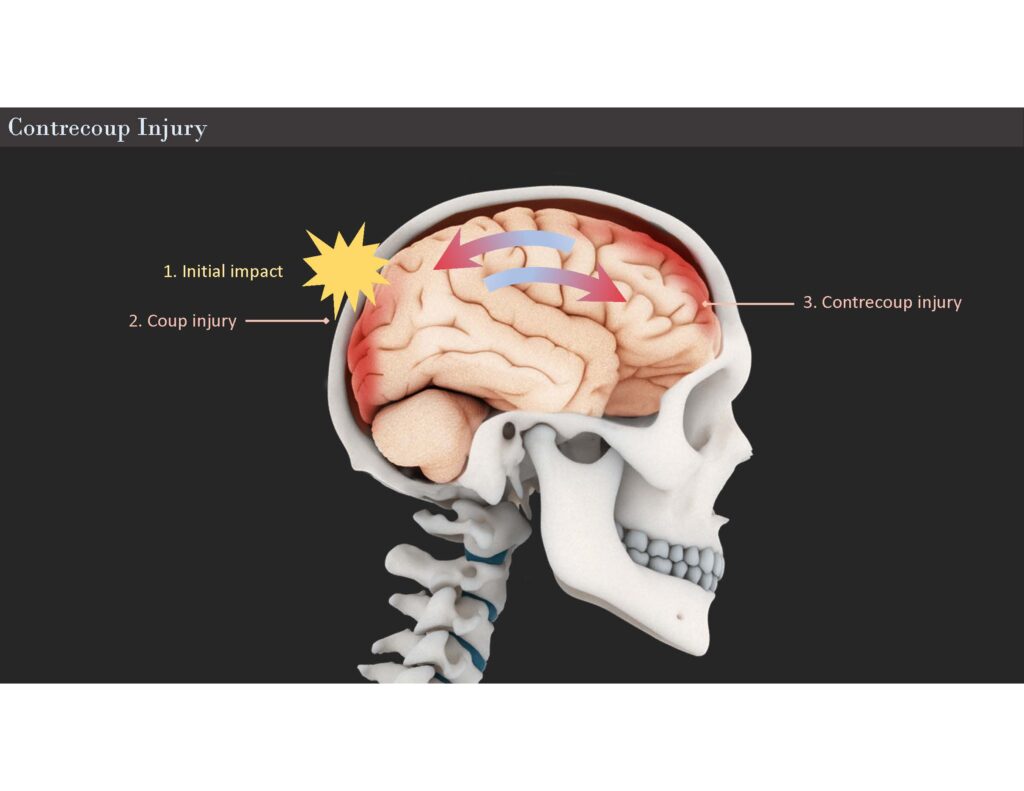
- Physical Symptoms: Persistent headaches, dizziness, and bilateral tinnitus (ringing in the ears) plagued her daily. The initial head trauma from the impact—exacerbated by acceleration-deceleration forces—led to these ongoing issues, which her treating physician attributed to the crash.
- Cognitive Deficits: Post-accident, she struggled with decreased concentration, memory loss, mental fogginess, and an inability to focus. These were new impairments, with no significant pre-existing cognitive complaints. Her physician noted a clear temporal relationship between the collision and these deficits, emphasizing how the head injury contributed to her decline.
- Emotional and Psychological Impact: Anxiety, depression, frustration, and irritability emerged soon after the incident. Diagnosed with reactive depression and PTSD, she required referrals for specialized treatment. The emotional toll was immense, turning a once-outgoing individual into someone withdrawn and dependent.
The crash’s ripple effects were profound. My client became increasingly reliant on her brother for daily assistance, losing her confidence and independence. Simple tasks like shopping led to disorientation, requiring her to call for help. Family members provided compelling “before and after” accounts, describing her shift from a lively, self-sufficient woman to one marked by irritability, forgetfulness, and fear of driving.
In San Francisco personal injury cases involving TBIs and PTSD from car crashes, proving these invisible injuries is key. My client’s pre-existing conditions, like hypertension and prior dizziness, were acknowledged but shown not to account for the abrupt, severe changes post-accident. This differentiation was vital in countering the insurer’s attempts to minimize the claim.
The Dispute: Battling the Insurer in UIM Arbitration
UIM arbitrations arise when the at-fault driver’s insurance is insufficient, allowing victims to tap into their own policy for additional compensation. In this case, against a major insurance exchange, the dispute centered on causation, injury severity, and duration—common battlegrounds in serious injury claims.
The insurer’s position was that the accident’s direct effects resolved within 12 months, attributing lingering symptoms to pre-existing anxiety, depression, and non-compliance with psychiatric treatment. They suggested that an appropriate award would be a low $125,000, downplaying the TBI and PTSD as unrelated or exaggerated.
In contrast, I argued that the damages extended over two years and would continue for my client’s remaining life expectancy. The arbitration presentation I prepared consolidated witness statements, medical records, and expert opinions to rebut the frivolous defenses.
Through strategic advocacy, the arbitrator awarded $750,000—a substantial victory that validated the long-term impact of the injuries and provided my client with much-needed resources for ongoing care.
How Attorney John Roach Proved the Injuries: Intensive Legal Work and Strategies
Securing this outcome required exhaustive effort to prove the causation and permanence of my client’s injuries, from expert development to aggressive depositions. As the lead personal injury attorney, I invested significant time and resources into building an irrefutable narrative, countering every defense angle with evidence.
1. Strategic Development and Utilization of Medical Experts
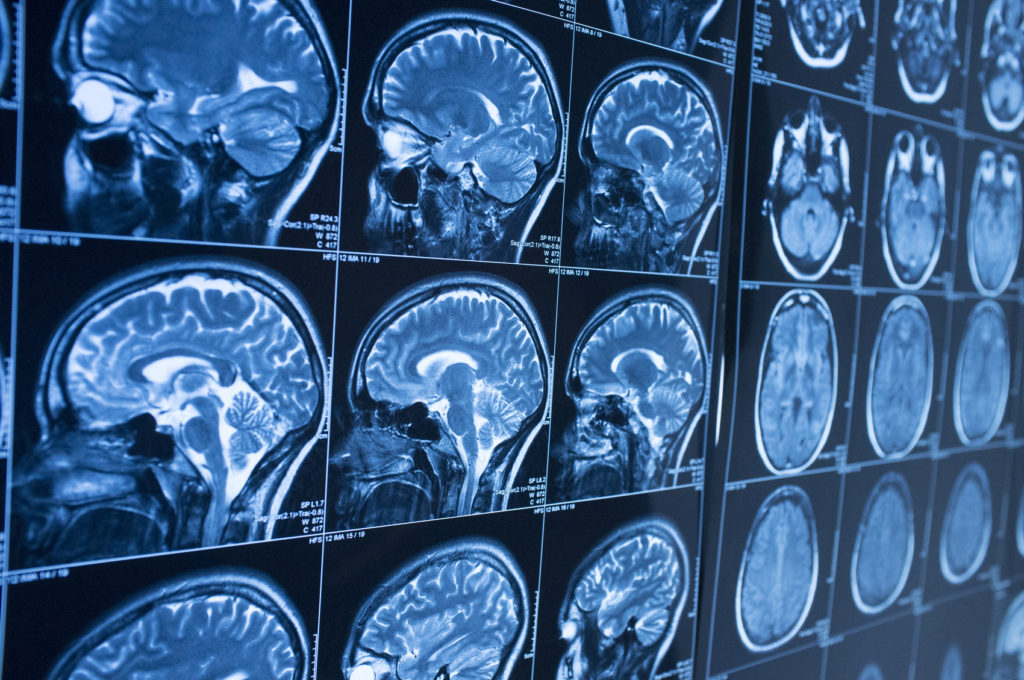
Proving TBIs and PTSD demands specialized medical insight, especially when imaging is normal. I retained and meticulously prepared medical experts to establish direct links between the crash and the injuries. One expert, a cognitive neurologist, provided detailed testimony on diffuse axonal injury caused by the collision’s forces, explaining how my client’s age amplified lasting effects and how immediate symptom onset confirmed causation—despite no pre-accident cognitive issues.
Another, a neuropsychologist, conducted extensive testing to diagnose mTBI, post-concussive syndrome, major depressive disorder, and PTSD. I collaborated closely to highlight the permanency of deficits and the abrupt decline from her independent life, using these opinions to dismantle defense claims of resolution or unrelated causes. This expert work involved reviewing reports, preparing questions, and ensuring testimonies aligned with textbook TBI presentations, turning abstract harms into concrete evidence.
2. Conducting Thorough and Targeted Depositions
Depositions were central to validating the injuries, and I conducted numerous sessions to extract supportive testimony while challenging opponents. For my client’s treating physician, I posed precise questions to confirm cognitive problems as a “new issue” post-accident, with a direct temporal tie to the head trauma. This established the collision’s role in PTSD and heightened vulnerability due to age, bolstering causation.
Lay witnesses, including her brother and son, were key—I examined them to elicit detailed “before and after” comparisons, documenting personality shifts, forgetfulness, and dependency. Her brother’s account of the immediate post-impact slump added critical evidence of possible loss of consciousness, which I used to refute defense exclusions.
I also aggressively deposed the defense experts, probing for inconsistencies. In one session, I secured concessions that the crash contributed to her deficits, undermining their dismissal of TBI. Another involved challenging neurological rationales for separating cognitive symptoms from PTSD and anxiety. I even expedited a transcript for urgent use in arguments, ensuring no detail was overlooked. These depositions alone represented hours of preparation, review, and follow-up to solidify the injury proof.
3. Crafting a Comprehensive Arbitration Brief and Final Advocacy
To tie everything together, I authored a detailed arbitration brief that synthesized all evidence—medical records, expert opinions, and witness testimonies—into a compelling argument for the injuries’ severity and crash-related causation. The brief methodically rebutted defense reliance on pre-existing conditions or treatment non-compliance, exposing logical flaws and biases in their experts’ analyses.
The arbitration consisted of two days of testimony and arguments.
Post-hearing, I sent a “final thought” email reiterating the case’s strengths, emphasizing the evidence of lifelong impacts. This persistent advocacy, from initial filing to closing arguments, showcased the depth of work invested in proving the client’s injuries, ultimately swaying the arbitrator.
Lessons for Seriously Injured Victims: Why Proving Injuries Matters
This UIM arbitration victory illustrates the value of relentless effort in personal injury cases. By focusing on causation through experts, depositions, and strategic briefing, we overcame insurer resistance and secured a meaningful award. For Bay Area victims of car crashes with TBIs or PTSD, early evidence gathering is crucial—don’t let underinsured drivers limit your recovery.
Why Choose John Roach for Your Serious Injury Case
With a track record in complex UIM claims, I bring the dedication needed to prove catastrophic injuries. At Represent My Injury, we offer client-focused representation on contingency.
Our experts were able to explain the mechanism of the traumatic brain injury through the use of images and demonstrative evidence. Here is the videoptaped testimony of the neurologist we used to explain the effects of the trauma for our client:
If you’ve suffered serious injuries in a San Francisco auto accident, contact me today. Visit https://representmyinjury.com/ for a free consultation and let’s fight for your justice.
Complete our intake form: https://lawofficeofjohnjroach.cliogrow.com/intake/5d22773fd05d3aa4c6bc3d4ff3c7de0a
Disclaimer: This blog post is for informational purposes only and does not constitute legal advice. Consult a licensed attorney for advice specific to your situation.