

John Roach, Esq. | February 13, 2026 | California Law \ Car Accidents
California Dooring Injury: How Cyclists Can Claim Compensation Under State Law

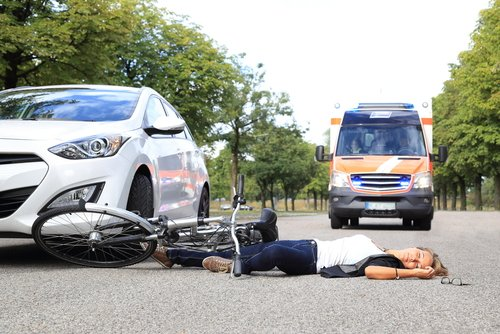
It happens in less than a second. You are riding through San Francisco, Oakland, or anywhere in the Bay Area — moving with traffic, fully alert — when a car door swings open directly into your path. There is no time to brake. The impact throws you from your bicycle. The person who opened the door may call it a freak accident. California law calls it negligence.
I’m John J. Roach, a San Francisco personal injury attorney with extensive trial experience representing bicycle accident victims throughout the Bay Area. Dooring injuries are among the most common and most serious cycling accidents in urban California — and they are almost always entirely the fault of the person who opened the door. This post explains the law, how insurers try to shift blame onto the cyclist, and what you need to do to protect your claim.
California Vehicle Code 22517: The Dooring Law
California has a specific statute that directly governs these incidents. California Vehicle Code Section 22517 provides that no person shall open the door of a vehicle on the side available to moving traffic unless it is reasonably safe to do so and can be done without interfering with the movement of traffic — including bicyclists. The statute also prohibits leaving a door open longer than necessary to load or unload passengers.
This language is significant for several reasons. It imposes an affirmative duty on the person opening the door — not a general duty of care, but a specific statutory obligation to ensure it is reasonably safe before opening. It applies to drivers and passengers equally. And it eliminates the most common defense: “I didn’t see you.” Failing to see a cyclist before opening a door into traffic is not a defense — it is proof of the failure to meet the statutory duty.
A violation of CVC 22517 constitutes negligence per se — meaning the violation of the statute is itself evidence of negligence, without requiring separate proof that the standard of care was breached. This is a powerful starting point for any dooring injury claim.
Your Right to the Road as a California Cyclist
One of the first arguments insurance adjusters make in dooring cases is that the cyclist was improperly positioned — too far from the curb, not in a bike lane, or riding in the “door zone.” This argument misunderstands California law.
Under California Vehicle Code Section 21200, a cyclist operating on a roadway has all the rights and duties of a motor vehicle driver. This includes the right to occupy a full lane of traffic. Many cyclists ride slightly left of the door zone precisely to avoid dooring — and that is a legally permitted, safety-conscious road position. A cyclist does not forfeit their right to compensation by riding where they are legally entitled to ride.
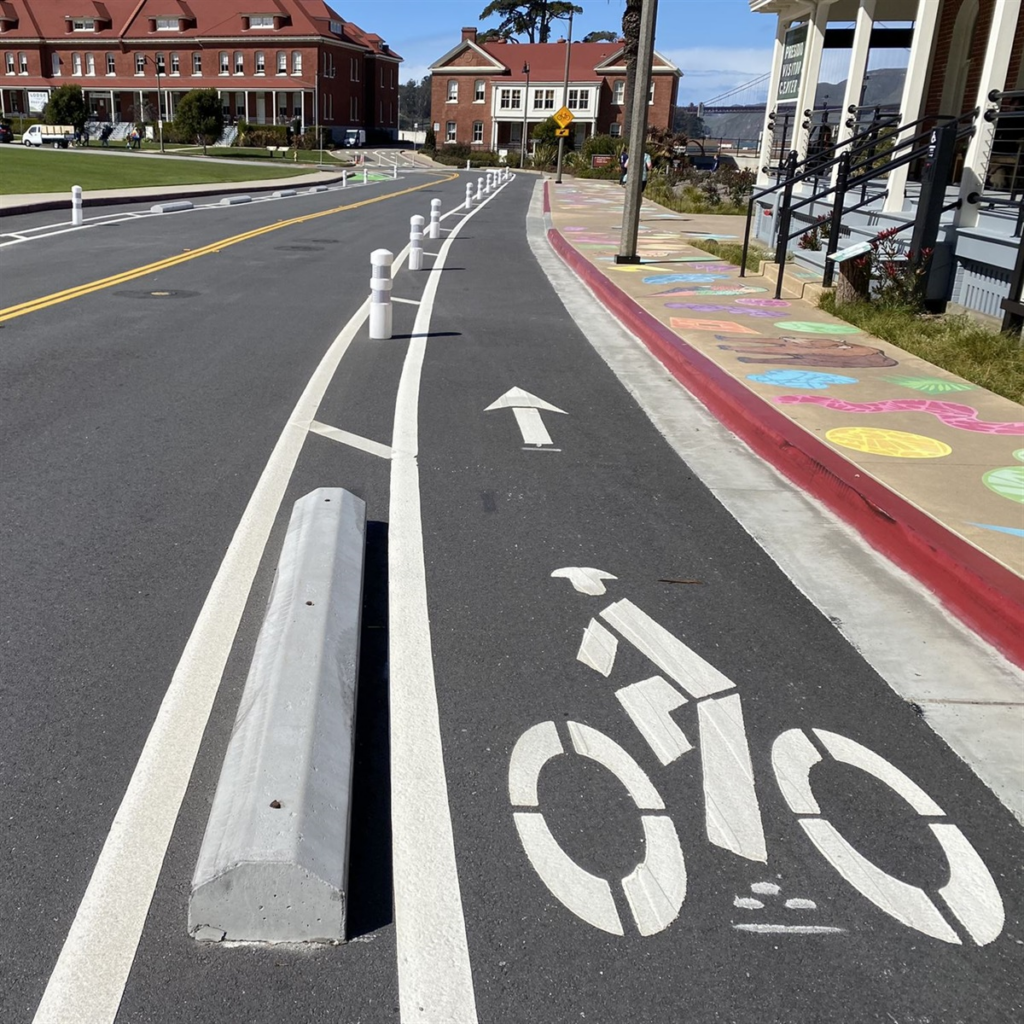
California also allows cyclists to ride in the main travel lane rather than a bike lane when the bike lane is unsafe — because it is blocked by a vehicle, filled with debris, poorly designed at intersections, or otherwise compromised. If an insurer argues you should have been in the bike lane, I investigate the condition of that bike lane at the time of the incident and document why it was unsafe or impractical to use.
How Insurance Companies Try to Shift Blame
Despite the clarity of CVC 22517, insurance companies do not simply accept fault in dooring cases. Their adjusters are trained to find any basis to assign comparative fault to the cyclist — because under California’s pure comparative negligence rule, any percentage of fault assigned to the cyclist reduces the recovery by that percentage.
The most common arguments are: the cyclist was speeding; the cyclist was not in the bike lane; the cyclist should have anticipated the door opening; or the cyclist failed to take evasive action. These arguments are usually unsupported by the evidence and directly contradicted by California law, but they are raised systematically because they work on unrepresented claimants who don’t know their rights.
The second common tactic is the early lowball offer. The adjuster calls within days of the accident, before you have finished treating, before you know the full extent of your injuries, and before you understand what your case is worth. They offer a small number to close the file. Once you accept and sign a release, that is the end — regardless of how your injuries develop.
Once you hire me, all communication with the insurance company goes through my office. You do not speak to adjusters, you do not give recorded statements, and you do not evaluate any settlement offer until I have a complete picture of your injuries, treatment, and damages.
Building the Evidence in a Dooring Case
The strength of a dooring injury claim depends on the quality of the evidence assembled immediately after the incident. Here is what I prioritize from the moment I am retained:
Police report. Call 911 and insist on a police report even if the person who opened the door minimizes the incident. The report documents the parties, the location, any witness statements, and often includes a determination of fault.
Scene photographs. Photographs of the open car door, your bicycle damage, the road position, skid marks, and the surrounding environment tell a story that is very difficult for the defense to contradict. If you are injured and cannot take photographs yourself, ask a bystander.
Witness information. Bystanders who saw the door open before impact are invaluable. I contact witnesses early — before memories fade and before the defense has an opportunity to take their statements first.
Surveillance footage. I send preservation letters to nearby businesses immediately after being retained. Surveillance footage of the incident is typically overwritten within 24 to 72 hours. This is one of the most time-sensitive steps in any urban cycling accident case.
Any admission at the scene. If the driver or passenger said anything at the scene — “I’m so sorry, I didn’t see you” — that is a statement against interest that I document and preserve.
Dooring Injuries: What They Actually Cost
Dooring impacts are high-energy collisions. A cyclist traveling at 12 to 15 mph who hits a fully opened car door at close range can be thrown violently to the pavement or into oncoming traffic. The injuries are frequently serious and can be permanent.
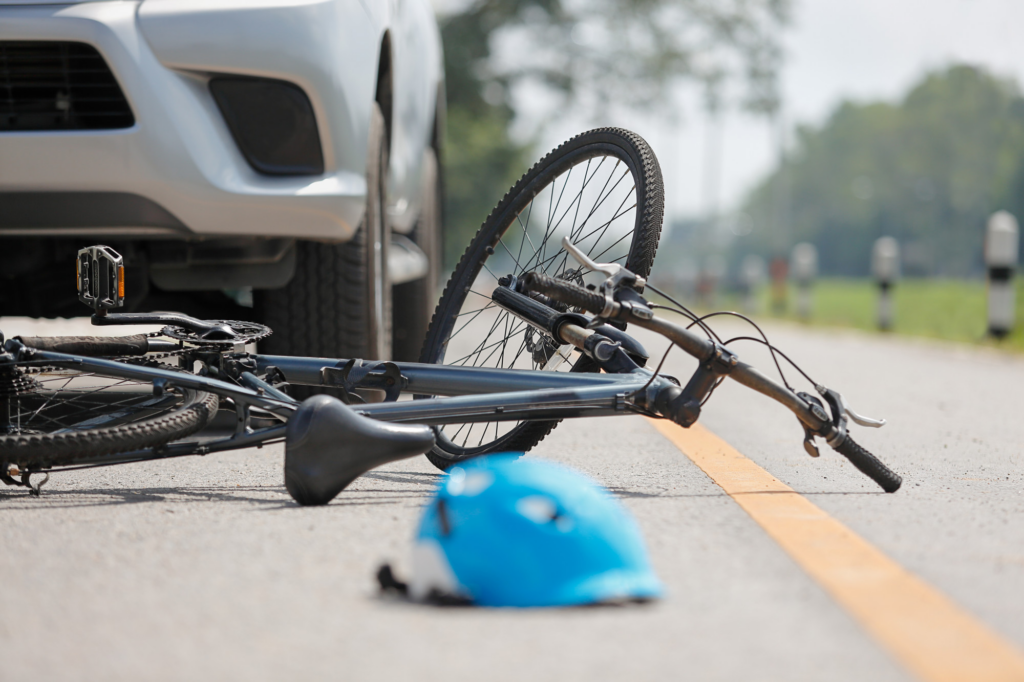
Common injuries include fractured clavicle, wrist, and elbow; traumatic brain injury and concussion; spinal injuries including herniated discs and cervical fractures; facial lacerations and dental injuries; and road rash requiring skin grafting. Even with a helmet, head injuries in dooring accidents can be significant — the door strikes the upper body and the secondary impact with the pavement can cause concussive injury regardless of helmet use.
A complete dooring injury claim covers: medical expenses from the emergency room through the end of treatment; future medical care including surgery, physical therapy, and pain management; lost wages and lost earning capacity; bicycle and equipment repair or replacement; and non-economic damages — pain and suffering, loss of enjoyment of cycling and other activities, emotional distress, and the daily impact of living with a serious injury.
I encourage every seriously injured client to keep a daily journal from the day they hire me — documenting pain levels, what they cannot do, and how the injury is affecting their life. This journal is among the most persuasive evidence of non-economic damages at mediation or trial.
What If the Driver Fled or Has No Insurance?
If the person who opened the door fled the scene, the incident becomes a criminal hit-and-run. For civil recovery purposes, I treat it as an uninsured motorist claim under your own auto insurance policy. California law allows cyclists to access Uninsured Motorist (UM) coverage under their personal auto policy even when they are injured while riding a bicycle — not driving a car. If you carry UM coverage, that policy can be a significant source of compensation when the at-fault party cannot be identified or has no insurance.
If you were seriously injured in a dooring accident in San Francisco, Oakland, or anywhere in the Bay Area, call me at (415) 851-4557 for a free consultation. I work on a contingency fee basis — you pay nothing unless I recover money for you. I am bilingual in English and Spanish and available evenings and weekends.
Frequently Asked Questions: California Dooring Injuries
A dooring injury occurs when a vehicle occupant opens a car door into the path of a moving cyclist, causing a collision. Under California Vehicle Code Section 22517, the person opening the door — driver or passenger — has a legal duty to ensure it is reasonably safe to do so before opening. Violating this statute constitutes negligence per se. The vehicle occupant is liable for the cyclist’s injuries, medical bills, lost wages, bicycle damage, and non-economic damages including pain and suffering.
California’s dooring law — CVC 22517 — applies to any person who opens a vehicle door into moving traffic, including passengers. The passenger bears the same legal responsibility as the driver would. The claim is typically filed against the vehicle owner’s auto insurance policy, which covers the conduct of occupants.
Yes. Under California Vehicle Code Section 21200, cyclists have the right to occupy a full lane of traffic and are not required to ride in a bike lane. The duty to check for oncoming traffic before opening a car door applies regardless of whether the cyclist was in a bike lane or the main travel lane. An insurer’s argument that you should have been in a bike lane does not reduce or eliminate the vehicle occupant’s liability.
No — it is not a defense, it is an admission. California Vehicle Code Section 22517 requires the person opening the door to ensure it is reasonably safe to do so before opening. Failing to see a cyclist before opening a door into traffic demonstrates exactly that the required safety check was not performed. “I didn’t see you” confirms, rather than excuses, the statutory violation.
The incident becomes a criminal hit-and-run. For civil compensation purposes, I treat it as an uninsured motorist claim under your own auto insurance policy. California law allows cyclists injured in bicycle accidents to access their Uninsured Motorist (UM) coverage even when they are riding a bike — not driving a car. If the at-fault party cannot be identified or has no insurance, your UM coverage may be your primary avenue of recovery.
Generally two years from the date of injury under California Code of Civil Procedure Section 335.1. If the at-fault vehicle was operated by a government employee or a government-owned vehicle was involved, a government tort claim must be filed within six months of the incident. Contact an attorney promptly — surveillance footage is overwritten within 24 to 72 hours, and early evidence preservation is critical in urban cycling accident cases.
Disclaimer: This blog post is for informational purposes only and does not constitute legal advice. Consult a licensed attorney for advice specific to your situation.