

john@representmyinjury.com | January 29, 2026 | All Things Trial
Converse v. Adkins: $300,000 Verdict in Dog Jump Injury Case – Trial Strategies and Lessons from My Recent Win
In the “All Things Trial” category on RepresentMyInjury.com, I reveal real courtroom battles. Additionally, I share insights from my cases as a personal injury attorney with over 17 years of experience. For instance, as the lead trial lawyer for plaintiff Gail Converse in Converse v. Adkins, I handled this Alameda Superior Court case from filing to verdict. This trial ended on April 28, 2025. It resulted in a $300,000 jury award for non-economic damages. There was no reduction for comparative fault. Therefore, it’s a key example of dog owner negligence verdict. Trial strategies turned a simple neighbor dispute into a big win for the injury victim.
What sets this dog owner negligence verdict apart? It wasn’t a vicious dog attack. There were no bites or mauling. Instead, it focused on negligence. The defendants failed to control their pit bull mix, Rosie. This led to a startling intrusion. As a result, Converse tripped and suffered lasting shoulder injuries. I’ll break it down step by step. For example, I’ll include trial strategies from voir dire, opening statements, and the proceedings. These were vital in countering defense skepticism. They also secured justice. If you face a similar pet negligence injury, this offers valuable lessons.
Understanding the Incident: Key Facts in Dog Owner Negligence Verdict
The incident happened on December 9, 2020. It occurred in a quiet neighborhood in Hayward, California. My client, Gail Converse, was 50. She was an entrepreneur sunbathing in her backyard. She enjoyed a rare relaxation moment. Next door, defendants Norman and Patricia Adkins had Rosie. She was an 11-month-old Staffordshire Bull Terrier mix. Essentially, it was a pit bull blend. They got her at a local auction. However, they didn’t research the breed’s athleticism or jumping skills.
Property Setup and Preventable Risks
The Adkins’ backyard had a wooden fence. It was five to six feet high on their side. Critically, they placed a waist-high concrete planter next to the fence. This separated their property from Converse’s. The planter acted like a launchpad. Additionally, the Adkins saw squirrels on the fence top. Rosie chased them from below. But they ignored it. On that day, they left Rosie alone in the yard. They went to CVS.

The Jump and Immediate Aftermath
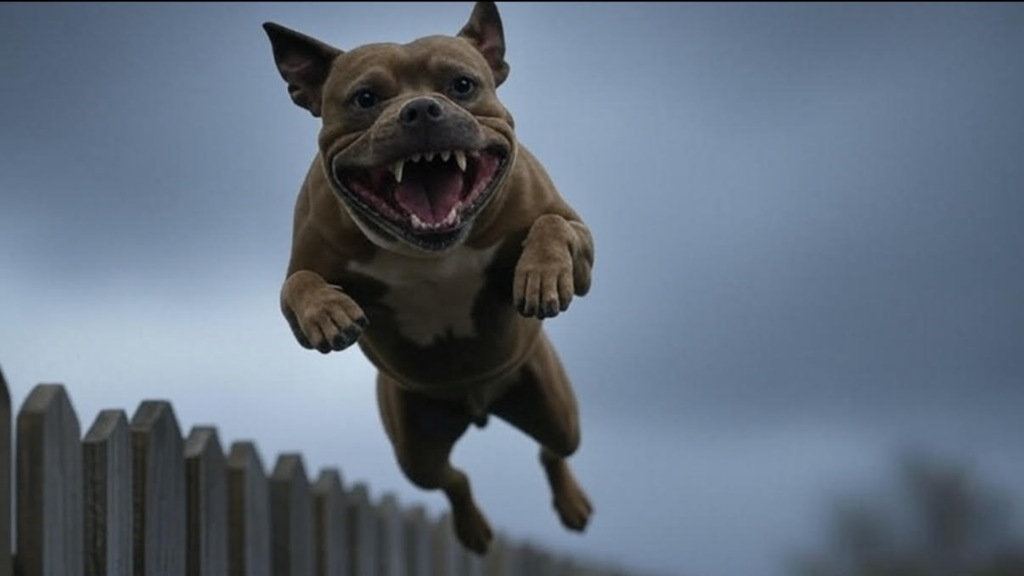
Rosie was young and energetic. She leaped over the fence into Converse’s yard. Converse was startled. She saw the dog’s bared teeth as it approached. So, she bolted toward her house. In her panic, she tripped on a step. She fell hard on her right shoulder. The impact fractured her humerus bone. It also damaged the shoulder capsule. This led to frozen shoulder, rotator cuff tendinosis, and impingement syndrome. Rosie made no physical contact. There was no bite or scratch. However, the intrusion caused a chain of harm.
Legal Claims and Defense Arguments
Converse sued the Adkins for negligence and negligence per se. She cited a violation of an Alameda County ordinance. It bans dogs running at large on private property. The defense denied it all. They said Rosie couldn’t jump that high. The fence was adequate. There were no prior escapes. Converse’s injuries came from her overreaction. They argued no foreseeability without an attack.
From my view as lead counsel, this dog owner negligence verdict showed a core rule. Dog owners must control their animals to prevent harm, even indirect harm. This duty comes from common law and common sense. In my opening, I framed the narrative this way. I told the jury the “story of what happened.” This humanized events. It also highlighted preventable failures. For example, not crating Rosie, raising the fence, or removing the planter.
Jury Selection Basics: Uncovering Biases in Dog Owner Negligence Verdict
One underrated trial phase is voir dire. It involves questioning potential jurors for biases. In this dog owner negligence verdict, trial strategies included targeted questions. These ensured an objective panel. Especially on large non-economic damages, pit bull stereotypes, and reactions to non-aggressive dogs.
Starting with Honesty and Tort Reform Probes
I began with “brutal honesty.” I asked: “What does brutal honesty mean to you?” This created openness. It helped spot jurors hiding biases. The case focused on pain without economic losses. We waived medical bills and lost wages. So, I probed “tort reform” attitudes. “Have you heard about ‘tort reform’ or limits on awards?” I asked. “What do you think, and would it affect damages here?” Some admitted sympathy for caps. Therefore, I challenged them or used strikes.
Addressing Large Awards and Defendant Sympathy
To tackle awarding big sums without a bite, I asked for honesty. “How do you feel about hundreds of thousands for lasting pain from a fall?” This showed jurors seeing claims as excessive. I followed up: “What’s your reaction to millions for pain without lost income?” Does it seem fair or too much?
Sympathy for defendants was a hurdle. They were homeowners sued over a pet. Jurors might defend them. So, I queried: “Do you feel sympathy for sued homeowners? What influences that?” Crucially: “Can you ignore a party’s finances and focus on evidence?” Why or why not?
Evidence Expectations and Dog Ownership Insights
On specifics, I asked: “Defendants dispute the jump. What evidence would convince you?” This gauged needs like scratch marks or expert testimony.
Dog experiences mattered. “Have you owned a dog? What kind? Ever had one escape? How handled?” This found empathetic owners versus skeptics.
Breed Biases and Injury Delays
I addressed pit bulls: “Any feelings about pit bulls—positive or negative? Would it affect this case?” And reactions: “What about people scared of non-biting dogs?”
On injuries: “Ever lived with pain instead of surgery? How shapes your view?” And: “Converse delayed surgery. Concerns or valid reasons?”
These questions struck biased jurors. I kept open ones. The jury deliberated one day. They found liability and awarded $300,000. Thus, strategic voir dire worked in this dog owner negligence verdict.
Opening Statements Overview: Roadmapping the Case
Opening statements roadmap the case. In my full opening for this dog owner negligence verdict, trial strategies emphasized breaches. Buying Rosie without research. Ignoring squirrel-chasing. Placing the planter as a jump aid. Leaving her unsupervised.
Building the Story and Previewing Evidence
I painted a vivid “story.” From auction to jump, Converse’s terror, and fall. I previewed evidence. Animal control officer Susan Perez found fresh scratch marks. She noted the planter’s role. Our dog expert Nicole Snebold (corrected from Blagoyevich) cited inadequate fencing and training. Witnesses like daughter Larrisha and partner Angela Murff described life changes.
Detailing Damages and Defense Counter
On damages, I showed Converse’s change. She ran Great Ambition Wellness, a CBD business from June 2020. Pain shut it down. No prior issues. Post-fall: ER visits, X-rays, slings, shots, therapy. Provider Benjamin Truong Le testified to tendinosis, frozen shoulder, impingement—from trauma.
Expert Dr. William Montgomery outlined surgery: Decompression, Mumford, tenodesis, cuff repair. Plus therapy. Lifelong symptoms over 32 years. I sought over a million for pain, suffering, inconvenience, loss of enjoyment.
The defense mini-opening denied it. Dispute jump (only Converse saw). No bite (Rosie sniffed, returned). No complaints. Fence adequate. No surgery. No treatment since 2022. Expert Dr. Robert Purchase called pain “non-organic.” Healed in six months. They implied excess for 32 years.
My Response and Narrative Shift
My counter? Use impeachment in openings and trial. Catch inconsistencies to erode credibility. Tie denials to Perez’s citation. This shifted from “no big deal” to preventable negligence.
Trial Witnesses and Expert Clashes in Dog Owner Negligence Verdict
The seven-day trial was in Alameda Superior Court. Case RG21109307. Judge Sarah Sanford-Smith. Strong witnesses featured. Larrisha described aftermath and changes. Physical pain disrupted life. Emotional toll from business loss.
Angela confirmed injury’s role in closure. Converse couldn’t mix products or open jars. She worked inefficiently.
Expert Testimony and Turning Points
Experts clashed. Montgomery versus Purchase on legitimacy and surgery. Snebold hit failures: Ignored traits, no restraints. Perez on scratches and planter proved jump.
A key turn: Impeaching a defendant. Inconsistent statements on citation and Rosie’s abilities. This boosted our claim.
Core Strategy: Applying the Sudden Emergency Doctrine
Central to the win was CACI 452. It’s the Sudden Emergency Doctrine. This instructed jurors to judge without hindsight. Consider split-second response to intrusion. It reframed the trip. Not fault, but foreseeable from negligence. By stressing context—threat from teeth—we avoided reduction. We got full $300,000. $150,000 past, $150,000 future non-economics.
Pre- and Post-Trial Details
Pre-trial: We demanded $300,000 via §998. They offered $75,000. Post-verdict: I moved for interest, costs ($107,000), expert fees. Insurer: State Farm. After motions, over $400,000 recovered.
Lessons Overview: Applying Trial Strategies from Dog Owner Negligence Verdict
This dog owner negligence verdict offers strategies for success.
- Voir Dire as Foundation: Probe biases on damages, breeds, sympathies. Brutal honesty reveals prejudices.
- Narrative in Openings: Tell compelling story—breaches, impact. Preview evidence for anticipation.
- Countering and Doctrine Use: Address skepticism with impeachment, experts. Turn “non-organic” into attacks. Doctrines Like Sudden Emergency: Shift blame, especially no-contact.
- Focus Areas and Maximizing Recovery: Emphasize non-economics—life changes, burdens. Streamline without economics.
- Witness Prep: Family humanizes suffering. Experts validate.
- Post-Trial Motions: Maximize with §998. This underscores justice for everyday negligences.
If a pet escape injured you, don’t settle. Contact RepresentMyInjury.com for free consult. I’ll use these strategies. Your trial could be next.
Learn more: Jury Verdict Alert and Plaintiff Magazine
Visit https://representmyinjury.com/ or call 415-851-4557. Free consult with top dog attack attorney. English and Spanish. Fight for you.
Complete intake: https://lawofficeofjohnjroach.cliogrow.com/intake/5d22773fd05d3aa4c6bc3d4ff3c7de0a
Disclaimer: Informational only. Not legal advice. Consult licensed attorney.